Summary: This guide offers nutritional suggestions to accompany Semaglutide use for weight loss and blood sugar management. You’ll discover what to eat on semaglutide, including the best foods and balanced meal choices to help support your health and weight-loss goals. What follows is a description of proteins, carbohydrates, and other food groups, along with helpful meal preparation techniques. Side effects like nausea, constipation, and bloating will be addressed in addition to meal ideas to accompany Semaglutide.
______________________________________________________________________
What to Eat on Semaglutide: Complete Meal Guide for Beginners
Ozempic Diet Plan GLP-1 Meal Plan Low-Glycemic Foods
Semaglutide can greatly assist you with weight management and blood sugar control, but the results you achieve with it ultimately depend on your diet while you are on it. As a medication, Semaglutide speeds the process of achieving that feeling of fullness, reduces your appetite, slows the process of digestion, and leads to a more stable postprandial blood sugar. Because of these factors, the majority of users eat less, but that does not mean they eat well. A good diet while on Semaglutide will ensure that you are getting plenty of protein, high-fiber foods, healthy vitamins, and minerals, and will help to reduce Semaglutide’s common side effects, such as nausea, constipation, bloating, etc.
Semaglutide is not a substitute for healthy eating. It is used alongside the implementation of healthy eating and the increase of your daily physical activity. Semaglutide patients are not expected to eat a restricted diet, but they are often encouraged to eat smaller, well-balanced, and nutrient-rich meals that are easy to digest. Because Semaglutide can lead to digestive issues in plenty of users, the best diet while on Semaglutide is one that is easy to digest and supports your stomach.
How Does Semaglutide Change the Way You Eat?
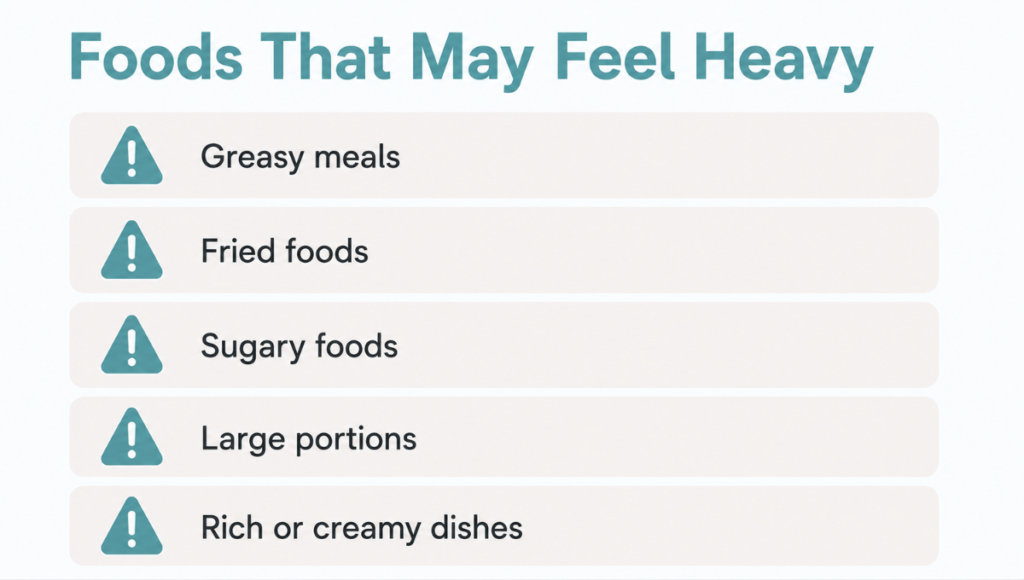
More appetite changes are reported than any other changes after people start taking semaglutide. Some people feel they have to push their plate away after just a few bites. Others forget to eat entirely. Some people still feel discomfort when they eat much less than before. That’s because the semaglutide diet plan slows gastric emptying and plays a role in hunger regulation. People begin to take notice of their stomachs displaying signs of discomfort when large and/or heavy meals are eaten. This is due to semaglutide’s appetite-suppressing qualities and its role in gastric emptying. Heavy meals will cause nausea and stomach discomfort, especially greasy and sugary meals.
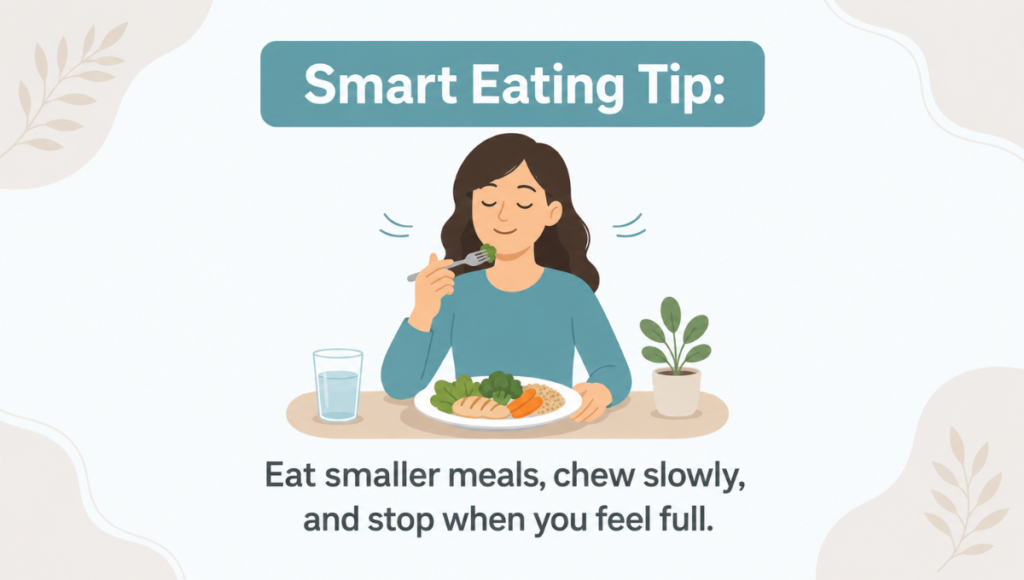
To prevent these symptoms, taking smaller meals is a better option than taking a few, larger meals. Semaglutide can also be made more tolerable by the choice of cooking method. Keep cooking methods light. Finally, make sure to eat slowly and stop when you feel full. The answer to the question: What is compounded semaglutide? It is a custom-prepared version of semaglutide made by a compounding pharmacy, but it is not FDA-approved, so it should only be considered with a valid prescription and medical supervision.
The Best Foods to Eat on Semaglutide
1. Lean Protein at Every Meal
When using semaglutide, protein intake is important due to decreased appetite. Consuming protein preserves muscle and aids in energy stabilization, satiety, and meal satisfaction.
Some protein sources are eggs, Greek yogurt, cottage cheese, chicken, turkey, fish, lean beef, tofu, tempeh, lentils, beans, and protein smoothies. Be sure to eat protein first, especially if you tend to get full quickly.
Your protein sources at lunch and dinner should be the size of your palm, with a smaller portion size at breakfast or a snack. Be sure to ask your healthcare provider about the correct portion sizes for the GLP-1 diet if you have kidney disease.
2. High-Fiber Carbohydrates
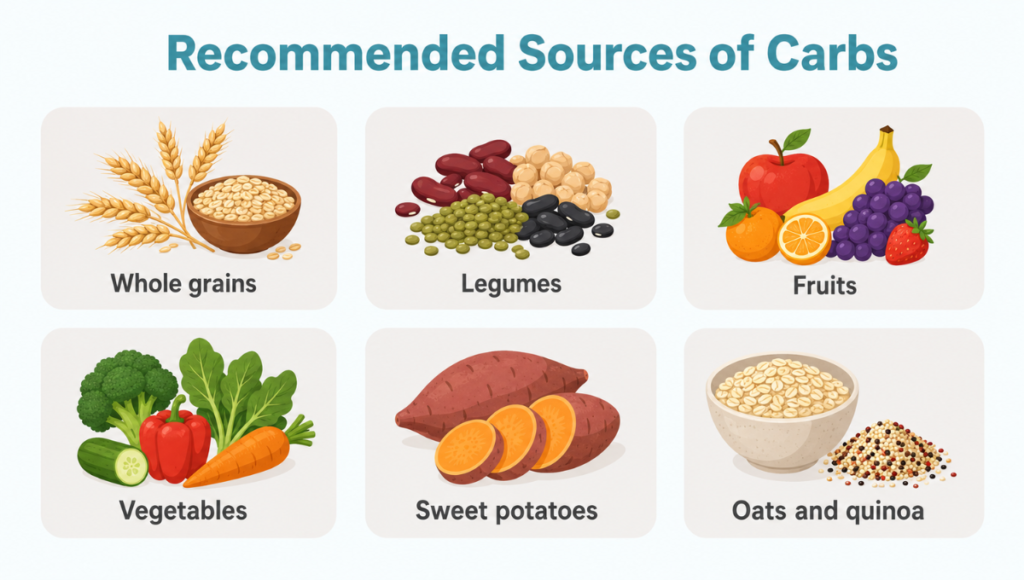
A healthy semaglutide meal plan may include carbohydrates. Carbohydrates that are high in fiber and slow to digest allow for healthy bodily functions. These slow-digesting carbohydrates can also maintain equilibrium for your blood sugar levels.
These carbohydrates include oatmeal, brown rice, quinoa, whole grain bread, sweet potatoes, legumes, berries, pears, apples, and vegetables. You may experience gas and bloating if your fiber intake is suddenly increased, so it’s good to get plenty of water to help out your digestive system and to avoid gas.
3. Non-Starchy Vegetables
Non-starchy vegetables that include spinach, lettuce, cucumbers, zucchini, carrots, bell peppers, broccoli, green beans, mushrooms, cabbage, and cauliflower provide lots of fiber as well as nutrients and add bulk to meals, without weighing you down.
Vegetables that cause bloating can be replaced with others that can be cooked, like steamed or roasted vegetables that are also easier to digest.
4. Healthy Fats in Small Amounts
Healthy fats are good for you, but they can worsen nausea, reflux, and fullness if eaten in large amounts. Fat digests more slowly than others.
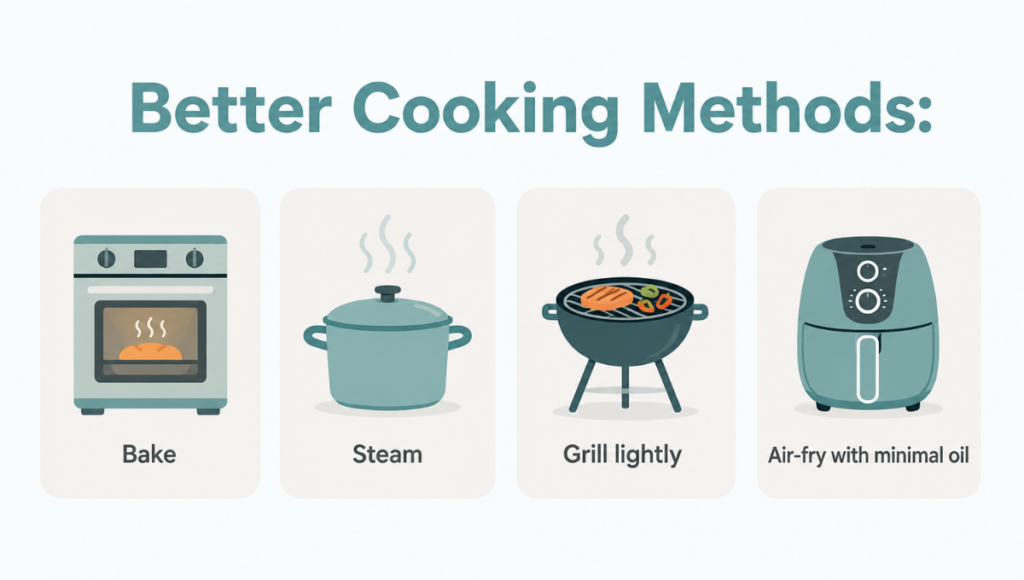
Try to eat small portions of fish, nuts, seeds, nut butter, and olive oil. Foods to avoid on semaglutide include fast, fried, and highly processed foods. Steaming or baking food is well tolerated.
5. Hydrating Foods and Drinks
While on semaglutide, being properly hydrated is essential; eating less may cause nausea, vomiting, and diarrhea. Less severe dehydration may increase the risk of dehydration. Sip broths, herbal teas, or even electrolyte drinks. Melons, oranges, soups, and smoothies are also great hydration options.
If you find plain water difficult to drink, try ice chips or lemon water. Sip water or hydrate options throughout your day.
Foods to Limit or Avoid on Semaglutide
Not everything you eat needs to be perfect, but some foods might cause more upset than others. The semaglutide food list includes foods to avoid, such as fried, greasy burgers, foods that contain a lot of creamy sauces, large portions of cheese, pastries, sweets, heavy desserts, carbonated drinks, and spicy foods should be eaten in moderation if they cause reflux and/or nausea.
Alcohol should be consumed even more carefully. It has been known to upset the stomach, worsen nausea, have empty calories, and elevate the chances of low blood sugar management in someone who has diabetes and is using insulin or other glucose-lowering medicines. If you drink, consult with your doctor to see what is safe for you.
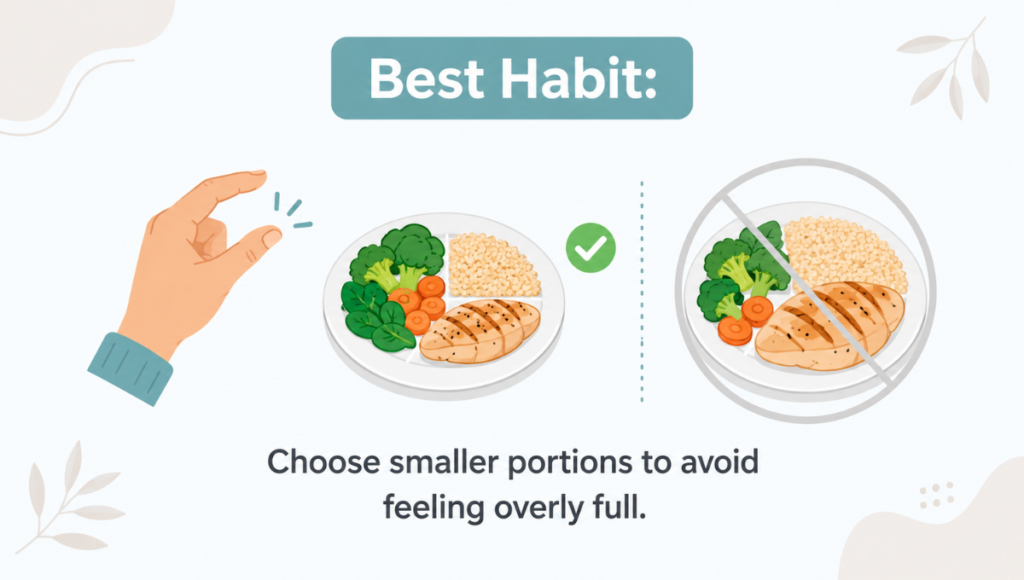
Very large meals are a common food issue. Even eating healthy can be upsetting to your stomach after taking semaglutide; some portions can be large and uncomfortable, like a large salad, large steak, or large portions of beans. Eating smaller portions can help.
A Simple Semaglutide Meal Structure
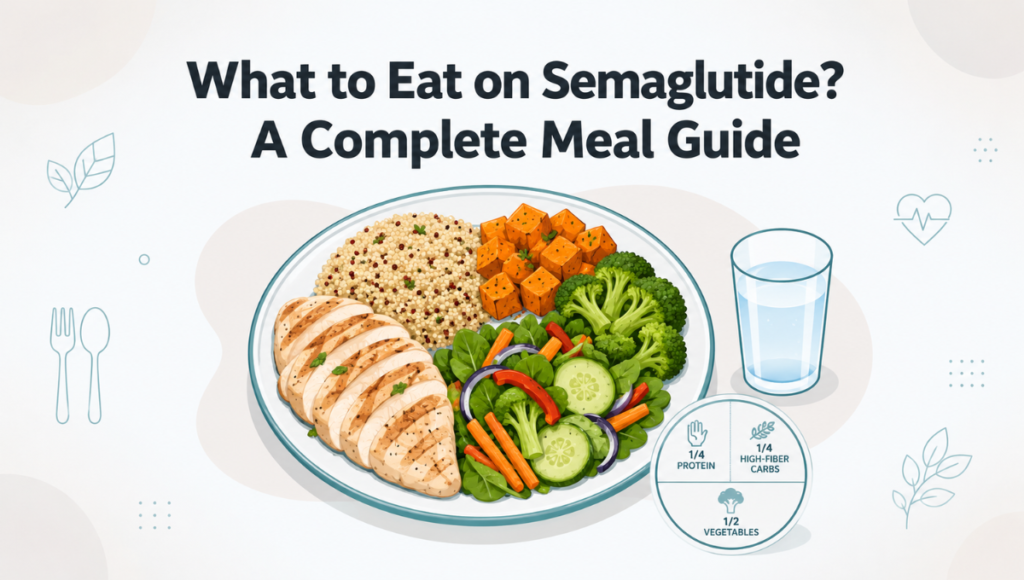
One easy way to balance your plate while on Semaglutide:
- Half: Non-starchy veggies
- Quarter: Lean protein
- Quarter: High-fiber carb
- Small portion: Healthy fat
A good example of what to eat on semaglutide for lunch could be grilled chicken with roasted veggies and quinoa with a small amount of olive oil. An example for dinner could be fish with sweet potato and green beans. Yogurt for breakfast with berries and oats could also be a good example.
Since you will have less of an appetite, you do not have to worry about saving most of your calories for a big dinner. It is best to spread calories across the day to give you the most amount of energy while you lose weight.
Sample One-Day Meal Plan on Semaglutide
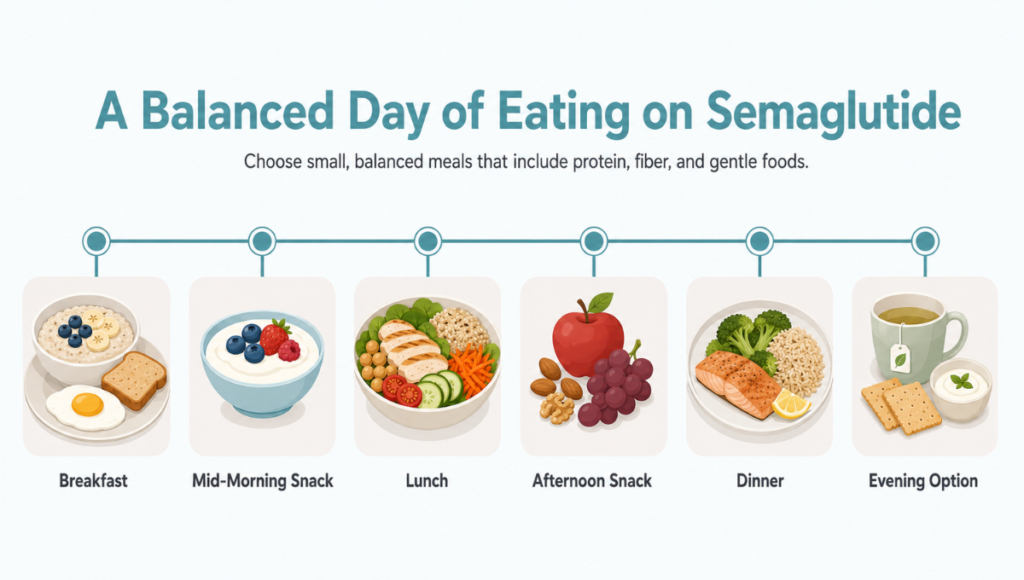
- Breakfast: Greek yogurt with berries and chia seeds and a small serving of oats. Provides protein and fiber along with slow-digesting carbs while not being too heavy.
- Mid-Morning Snack: a boiled egg or a small cottage cheese cup. If nauseous, try plain toast, crackers, or a banana and sip water.
- Lunch: Moderate serving of grilled chicken or tofu with brown rice and some cooked veggies. Eat Slowly.
- Afternoon Snack: Small serving of apple slices with peanut butter or a smoothie with protein and milk or yogurt.
- Dinner: Baked fish, turkey, lentils, or tofu with a serving of sweet potatoes and steamed veggies. Avoid eating close to bedtime, and if you have reflux.
- Evening Option: Small protein snack or rich herbal tea or broth. No heavy or fried food or dessert.
What to Eat on Semaglutide When You Feel Nauseous?
Nausea is one of the primary side effects associated with semaglutide. When you experience nausea, avoid large meals. Instead, incorporate your semaglutide diet plan with bland and low-fat foods like rice, applesauce, and oatmeal. It is wise to keep food at room temperature. Food that is cold or at room temperature is one of the best foods that reduces nausea.
Making yourself a meal for the day is not suggested; rather, bite-sized meals will help with recovery and overall not cause more nausea when you stop eating. Lying down is always a bad idea, but even more imperative is avoiding lying down right after you eat. If you have acid reflux, lying down will also worsen your condition. Ginger tea may help some people, but check with your healthcare provider if you take blood thinners or have medical conditions where ginger may not be suitable.
What to Eat for Constipation?
Since Semaglutide slows digestion and you may be eating less, you could experience constipation. Increasing fluids and fiber and including exercise (with your doctor’s permission) will help.
Oats, chia seeds, flaxseeds, berries, pears, prunes, lentils, beans, vegetables, and whole grains are all beneficial. If constipation is getting worse, is painful, or lasts longer than several days, you should see a healthcare professional instead of depending on diet changes.
What to Eat for Diarrhea?
During a bout of diarrhea, keep foods plain and avoid seasonings. Limit fat and fiber intake. Some better options include bananas, rice, toast, and applesauce, in addition to potatoes, protein, broth, and water or electrolyte drinks. With an improvement in symptoms, work to slowly obtain a balanced diet.
Diarrhea and vomiting with a combination of dizziness and decreased urination show signs of possible dehydration and should prompt a visit to your health care provider.
Meal Prep Tips for Semaglutide
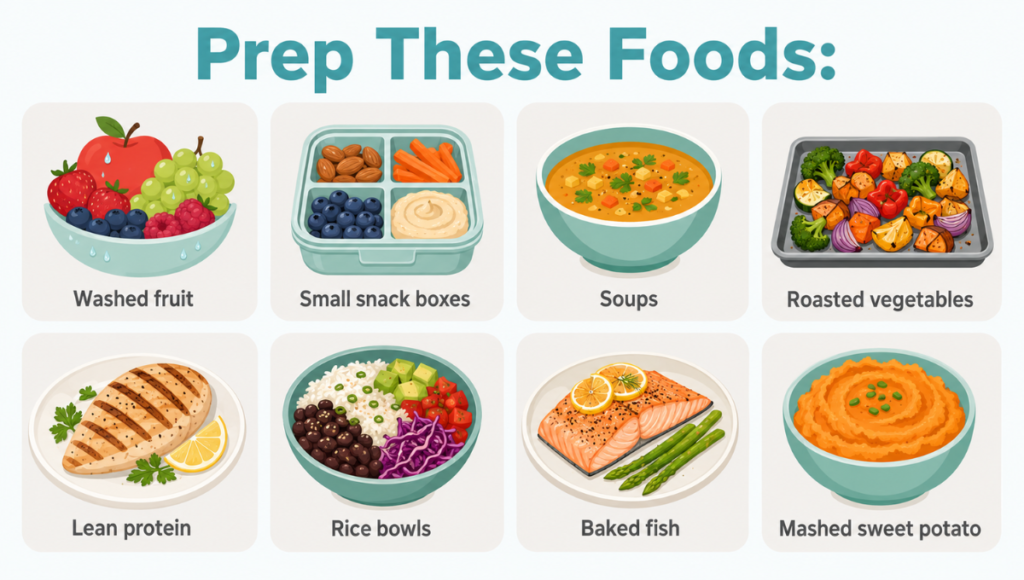
A semaglutide weight loss plan can help you use semaglutide as your appetite is likely to fluctuate day to day. It can be helpful to serve smaller portions, as people on semaglutide may not want to eat big or full meals. Weight loss meal plan ideas are washing or prepping fruit, meal prepping soups, roasted veggies, and prepping smaller snacks and dividing them into smaller containers.
It can also be helpful to have softer, easier-to-eat meals available during dose changes. These can include things like yogurt bowls, smoothies, and oatmeal. Baked fish, mashed sweet potato, and rice bowls with lean protein are also good meal prep ideas.
When to Call a Doctor?
Weight loss diet plan changes can lessen discomfort, but will offer no permanent solution to side effects. Call your healthcare provider for: severe or persistent vomiting, signs of dehydration, severe stomach pain, jaundice, hypoglycemia, or chemotherapy-induced pain that is radiating to the back. The warnings with the Semaglutide include gallbladder disease, pancreatitis, hypoglycemia in certain patients, renal injury related to dehydration, and severe gastrointestinal reaction
ShapeIN Rx– Personalized Wellness Designed Around You

We at ShapeIN Rx aim to personalize, simplify, and enhance the sustainability of weight management. Maintaining a healthy lifestyle should not seem like a short-term solution to a problem or something you have to overly constrain yourself to. That’s why we offer month-to-month plans that incorporate your lifestyle, goals, and needs.
We strive to help our clients manage their weight by providing access to GLP-1 medications, including Semaglutide and Liraglutide. Our goal is to help you take the first steps to a healthier you and to reclaim your confidence.
Final Thoughts
An optimum semaglutide diet does not have to be extreme, complex, or very restrictive. An ideal diet consists of a balanced diet of lean protein and fiber-rich carbohydrates with lots of vegetables, healthy fats (in moderate portions), and lots of fluids. Your meals should be smaller. Hydration is very important. Greasy and sugary meals should be avoided. You should be aware of and responsive to symptoms of fullness.
Eating semaglutide makes it easier to manage hunger and appetite, but your choices of food are important as they determine how well you feel nourished and energized throughout the eating process. Want your semaglutide therapy customized to your goals? Contact us to design meal planning solutions aligned to your health and weight goals with respect to your comfort.
FAQS
Am I Allowed to Eat Carbs While Using Semaglutide?
Yes. While taking semaglutide, opt for higher fiber carbs over lower fiber carbs. Semaglutide users are recommended to consume carbs such as oats, brown rice, quinoa, beans, lentils, sweet potatoes, fruit, and whole grains rather than carb sources that include soda, candy, pastries, and other highly refined snacks.
What If I am Nauseous While Using Semaglutide?
If semaglutide is causing nausea, try consuming smaller portions of bland, lower-fat foods. Users are recommended to have toast, crackers, rice, bananas, broth, oatmeal, and plain potatoes. Keep in mind to eat food in smaller portions, sip on fluids, and stay away from greasy, spicy foods and large portions.
What is the Semaglutide Diet?
There is no special semaglutide diet, as everyone responds differently to semaglutide. However, users are encouraged to consume a balanced diet low in calories. Incorporating a sufficient amount of protein, fiber, and vegetables to optimize the diet, and keeping hydrated also helps. Your semaglutide prescriber and dietitian will help you adjust the plan according to your weight goals, diabetes status, and medications you take.