Summary: Bloating and belly fat can look similar, but they have different causes and need different solutions. Understanding bloating vs fat, learning how to tell the difference, managing bloating naturally, and decreasing belly fat with healthy lifestyle habits can help.
__________________________________________________________________
Bloating vs Fat: What Your Stomach Is Really Telling You
Bloated Stomach vs Belly Fat | Difference Between Bloating and Belly Fat | How to Get Rid of Bloating?
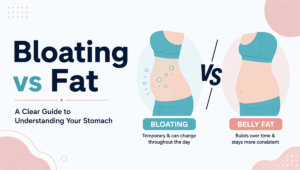
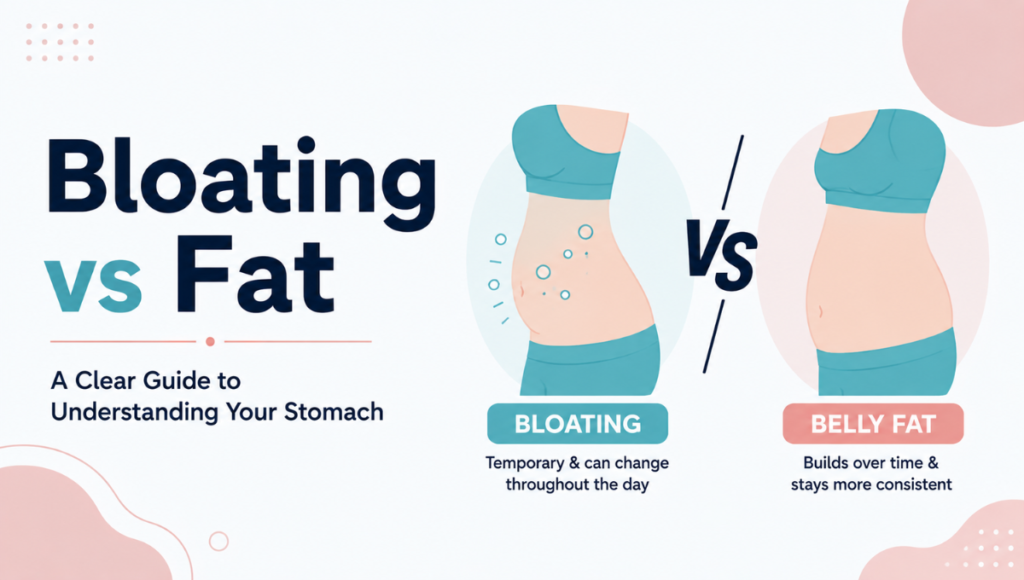
Many wonder what causes their stomachs to appear larger at specific times. There are many reasons, like varying levels of body fat, digestion, food choices, or even changes in water retention. Bloating and body fat are two very different things that require their own approaches. When comparing bloating vs fat, there is a clear distinction between the two, and understanding it is the first step to addressing the right issue.
There are multiple reasons for gut bloating as opposed to increased body fat that can help you select the best solution to your issue. Most stomach bloating causes are digestive and are temporary problems, while the fat on your stomach accumulates long-term and is caused by your lifestyle habits and whether you are in a caloric deficit.
This guide will help you understand bloat vs fat, the differences, the signs, and how to manage both of them most effectively.
What is Bloating?
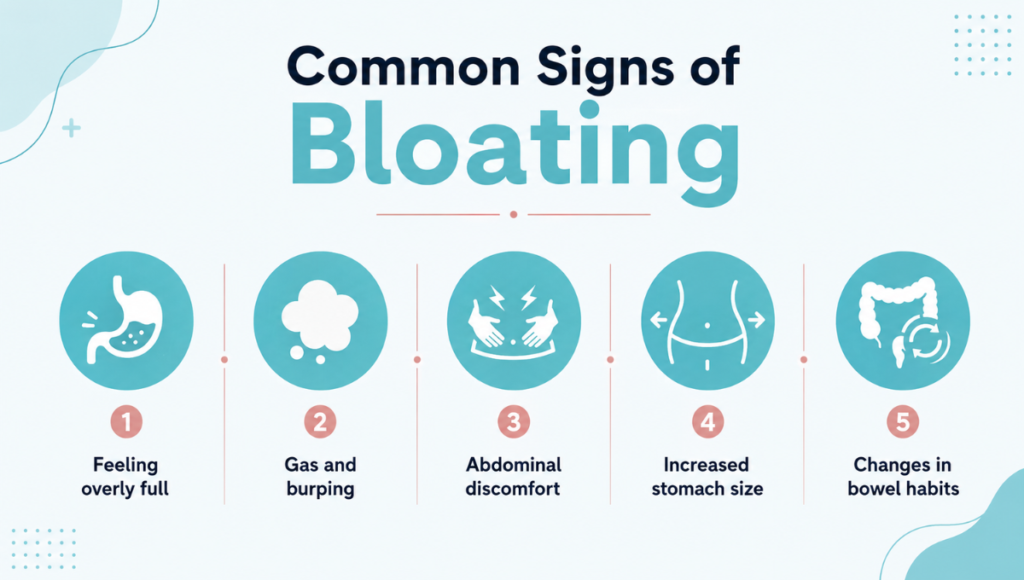
Bloating is when you feel uncomfortable and full from gas and digestive changes. It can make your abdomen look larger, but it’s not fat. Bloating usually occurs after you eat certain foods or large meals. You might notice your abdomen looks larger throughout the day and flatter in the morning. Signs and bloating symptoms can include:
- Feeling of fullness in the abdomen
- Gas and burping
- Abdominal pain
- Increased abdomen size
- Change in bowel movements
Bloating remedies are different from fat because they can come and go in a short time.
What Is Stomach Fat?
Stomach fat refers to excess fat stored around the abdominal region. It often develops slowly and does not fluctuate much throughout the day. Belly fat has two main types. Subcutaneous fat is fat located directly under the skin and is the type of fat that you can pinch when you poke your stomach. Visceral fat is located even deeper and surrounds the internal organs of the abdomen. Having elevated levels of visceral fat can raise health risks.
Stomach fat is usually the result of long-term factors that are part of your lifestyle, such as consistently consuming more calories than your body needs, inadequate physical activity, stress, insufficient sleep, and hormonal changes. Getting rid of belly fat requires developing long-term habits such as a healthy diet, regular exercise, and making healthy choices continuously.
Bloating vs Fat: Understanding the Difference
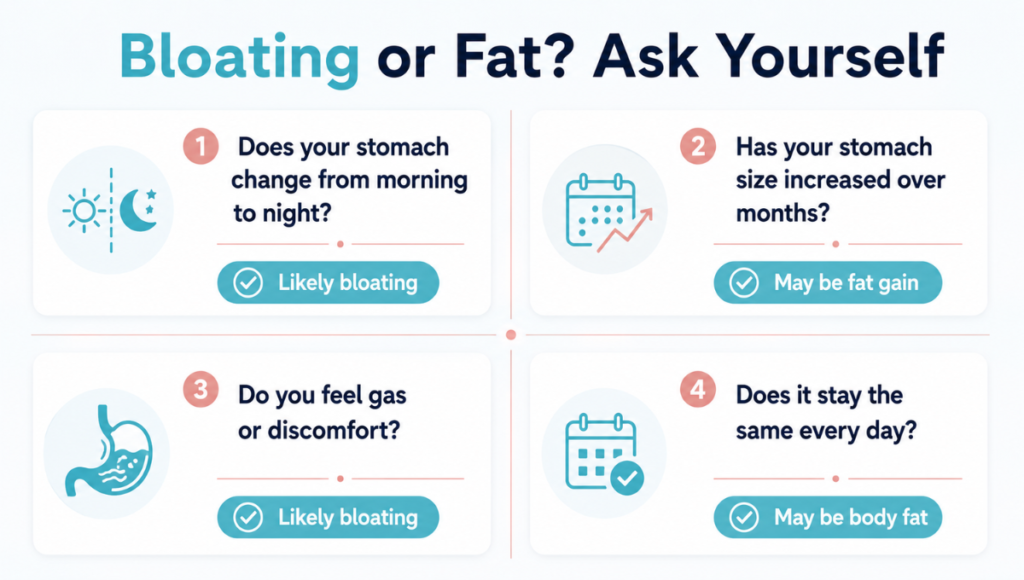
Although both causes can have similar appearances, here are some differences to help you identify bloating versus fat. Bloating after eating can change depending on the time of day, meaning your stomach can appear normal in the morning and grow larger after a meal. You may also experience discomfort and pressure and may have an excess of gas.
In contrast to bloating, fat can stay in place and does not disappear suddenly. If your weight has increased and your stomach has also increased in size as a result, the extra fat may be the cause.
- Bloating is temporary, and fat is permanent.
- Bloating will provide discomfort, whereas fat will not.
- Bloating will change, and fat will not.
The only way to get rid of fat is to change your lifestyle, whereas bloating is temporary.
Common Causes of Bloating
Bloating can happen for many reasons, like digestive problems, the food you eat, gas buildup, food intolerances, and daily habits. Below are some belly fat causes in women:
Eating Too Quickly
Eating fast makes you swallow more air, and this gets trapped in your gut and is what causes bloating. Proper chewing can help digestion and ease bloating.
Gas-Producing Foods
Certain foods produce more gas as they break down. Some of these foods are even good for you. However, they can cause bloating in some people. These foods include:
- Beans and lentils
- Broccoli and cabbage
- Onions
- Carbonated drinks
- Artificial sweeteners
Bloating can be managed by cutting down portion sizes or finding your personal trigger foods. With proper weight loss consultations, you can achieve better results.
Food Intolerances
Some people struggle to digest certain foods, which leads to stomach swelling and other digestive problems. Examples of this include being lactose intolerant or having issues with digesting certain carbs. If you keep a food journal, you can start to pinpoint which foods make you bloat the most.
Constipation
When waste moves slowly through the digestive system, it can create pressure and make the stomach bloated. Drinking enough water, eating fiber-rich foods, and staying active can all help with digestion.
What Causes Belly Fat?
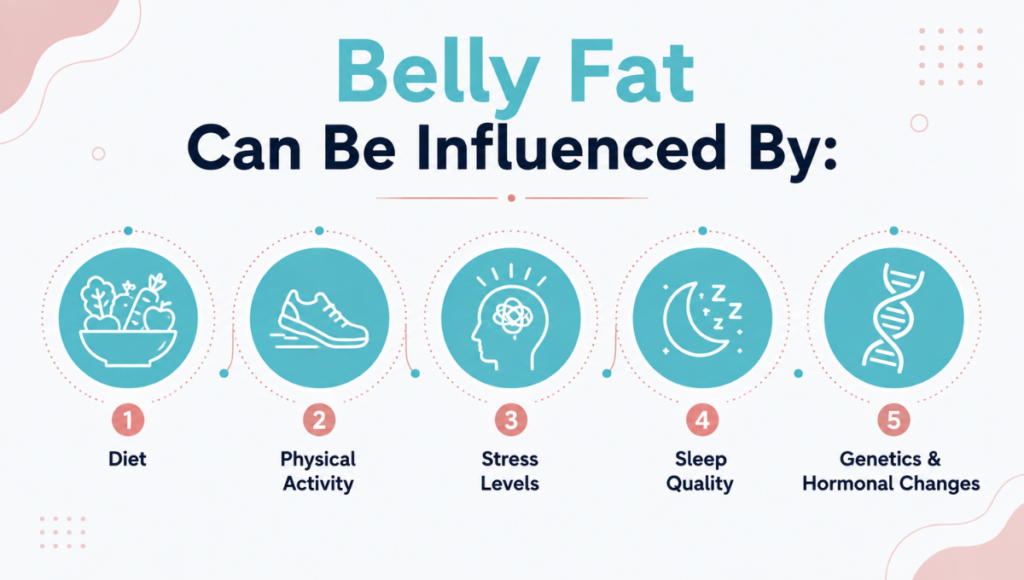
Stomach fat can happen because of too many calories, changes in hormones, not enough exercise, genetics, and bad habits in your lifestyle.
Poor Diet Choices
Extra calories get stored as fat. Belly fat can grow from constantly eating junk food and drinking sugary drinks. A diet with whole grains, healthy fats, and a good source of protein can help in sustainable weight loss.
Lack of Physical Activity
Being still causes your body to store fat. The fat can grow because your body has no way to get rid of the extra calories. Movement throughout the day can all help in knowing how to reduce bloating.
Stress and Hormonal Changes
Stress can affect weight because it brings out the habit of snacking and increases cravings, especially for unhealthy foods. It stores fat in unusual places. Stress can affect how your body stores fat.
Poor Sleep
Poor sleep patterns can change appetite and hunger hormones. Your body will gain the weight that you are unable to lose easily because of lack of sleep.
How to Know If You Have Bloating or Belly Fat?
How to Get Rid of Belly Bloat Naturally?
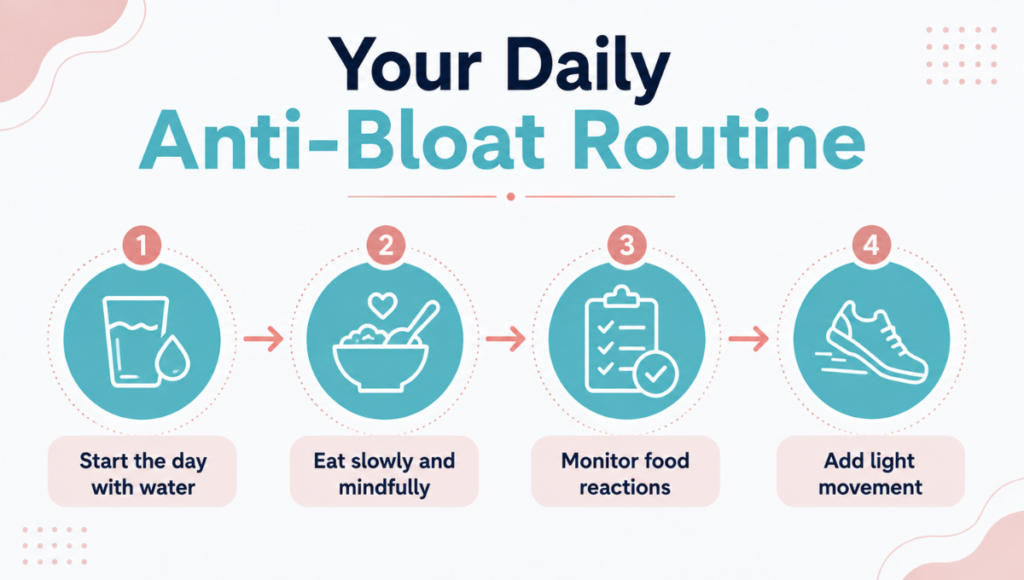
One of the few tips for a flat stomach includes starting small and focusing on some lifestyle changes and easier digestive improvements.
Staying Hydrated
Water keeps your digestive system pumping, and therefore, reduces the likelihood of constipation and bloating.
Slow Down With Food
Slowing down means less swallowed air and lets your body digest better.
Manage Trigger Foods
Bloating may be reduced with a decrease in portions of foods that you already know bloat you, or a decrease in the number of times they’re consumed.
Stay Active
Post-meal walks to move food through and aid your digestive system are a simple, low-effort way to reduce discomfort.
How to Lose Belly Fat?
Losing belly fat takes a while. A single exercise won’t remove fat from your stomach.
Maintain a Balanced Diet
Eat foods that reduce bloating and that give your body energy for a while. Eat lean proteins, veggies, fruits, whole grains, and healthy fats.
Exercise Regularly
Staff your workouts with strength training and cardio for more effective overall fat loss.
Increase Protein Intake
Your muscles need protein to stay strong through the whole process, and since it helps keep you full longer, eating more of it might even help you want to eat less.
Improve Sleep and Manage Stress
Get good quality sleep and manage stress to stop unhealthy snacking and to achieve sustainable weight loss.
Can Stomach Exercises Remove Belly Fat?
A lot of people think that doing crunches and planks will actually burn belly fat, but that’s not the case. Spot reduction is not possible.
Working out your abs can help build up your core muscles, but fat loss happens all over the body. The best way to lose belly fat is to have a consistent workout routine and healthy diet, along with good lifestyle habits.
When Should You Be Concerned About Bloating?
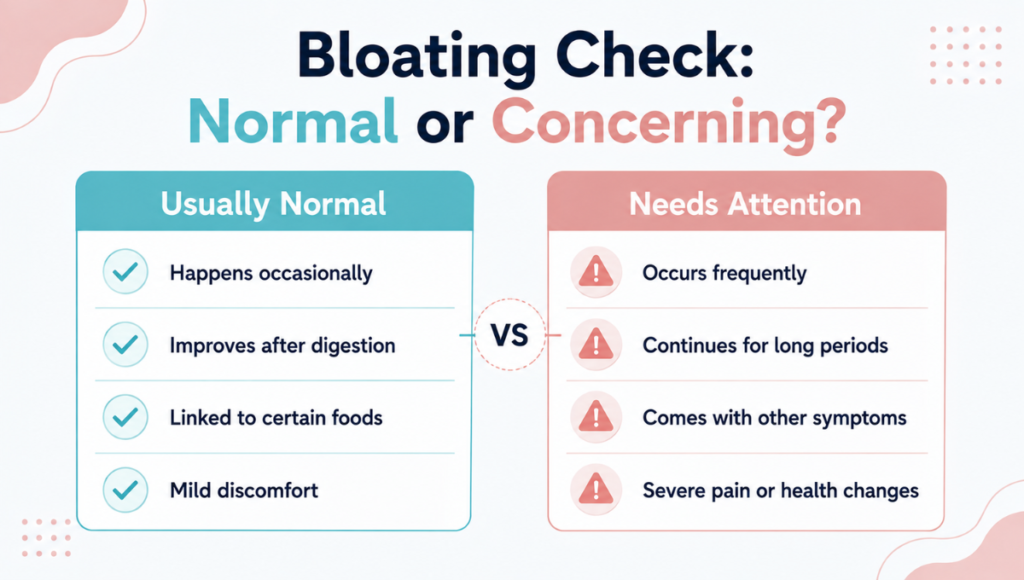
Bloating every once in a while is normal, but you may need to consult a professional if it happens often or is severe. You should not ignore recurring digestive issues. You may want to talk to a healthcare professional if you have:
- Severe stomach pain
- Unexplained weight loss
- Bleeding stool
- Chronic vomiting
- Continuous digestive problems
How Diet Affects Bloating and Belly Fat?
What you eat can contribute to bloating and stomach fat. Some foods that cause bloating from transient digestive problems, while others can cause fat gain over the long term from excessive consumption.
High-salt foods promote water retention, thus causing your stomach to bloat. Additionally, processed foods, sugary snacks, and refined carbs also promote calorie surplus and fat accumulation. Bloating and weight management can both benefit from a balanced diet that reduces these digestion issues. The goal is to select bloating relief foods that do not cause bloating. Some of these digestion-friendly habits include:
- Eating high fiber foods regularly
- Eating enough protein
- Reducing salt intake
- Drinking enough water
- Eating less processed and sugary foods
Lifestyle Habits That Support a Healthier Stomach
A healthy stomach is the result of a combination of multiple factors, including food and exercise, but also your daily habits. Developing regular routines can help with bloating, promote better digestion, and aid in fat management. Your digestive system and metabolism can all benefit from adequate sleep, regular physical activity, and eating on a scheduled basis. Examples of good lifestyle habits could be:
- Sticking to a consistent sleep schedule
- Getting regular walks or workouts done
- Using relaxation to combat stress
- Practicing not to overeat
- Paying attention to your body’s hunger and fullness cues
ShapeIn RX– Personalized Weight Management for Long-Term Wellness
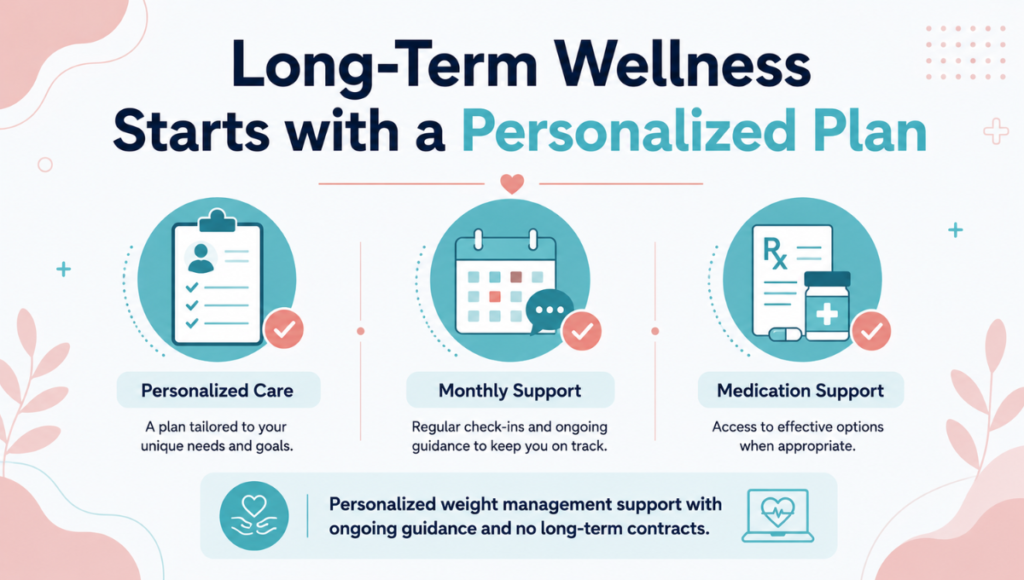
Sustaining wellness calls for something other than temporary solutions. We create a personalized plan just for you, considering your individual needs and your everyday life. Our weight management program gives plenty of support and guidance every month, with no long-term contracts. We can help you feel more confident as you work toward health goals with our access to GLP-1 medications like Semaglutide and Liraglutide. These medications help you control your weight and improve your overall health and wellness.
Final Thoughts
While upper belly bloating may appear to be excess stomach fat, they have different causes and solutions. The majority of the time, bloating is due to issues in your digestion, the food you eat, or retaining too much fluid. Lower belly bloating can only be removed through significant, gradual changes to your lifestyle.
The solution to both of these issues is to establish good habits. This means healthy, well-rounded meals, regular exercise, adequate water intake, proper sleeping patterns, and methods to manage stress. All of these habits signal to your body that everything is okay and will give you a healthier stomach in the process. Ready to Start Your Wellness Journey? Contact us and discover a personalized weight management approach designed around your goals and lifestyle.
FAQS
What's a Quick Way to Tell If My Stomach is Bloated or Fat?
If your stomach size fluctuates after eating and continues to change throughout the day, then that's most likely bloating. If your stomach size is consistent for weeks or months, then it could be fat.
Is It Possible for Bloat to Affect My Weight?
Bloating can actually cause changes to your weight. However, it is possible for bloating to expand your stomach because of retained water or gas, not because of actual body fat.
Is There a Way to Get Rid of Belly Fat Once and for All?