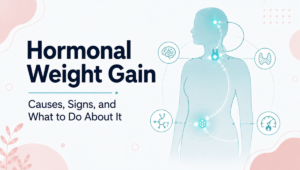
Summary: Hormonal weight gain may be caused by changes in hormones, which then affect how the body makes, stores, or uses energy. Learning to identify the causes of this kind of weight gain and recognizing the signs that may lead to weight gain can help you organize your weight loss plan.
____________________________________________________________________________
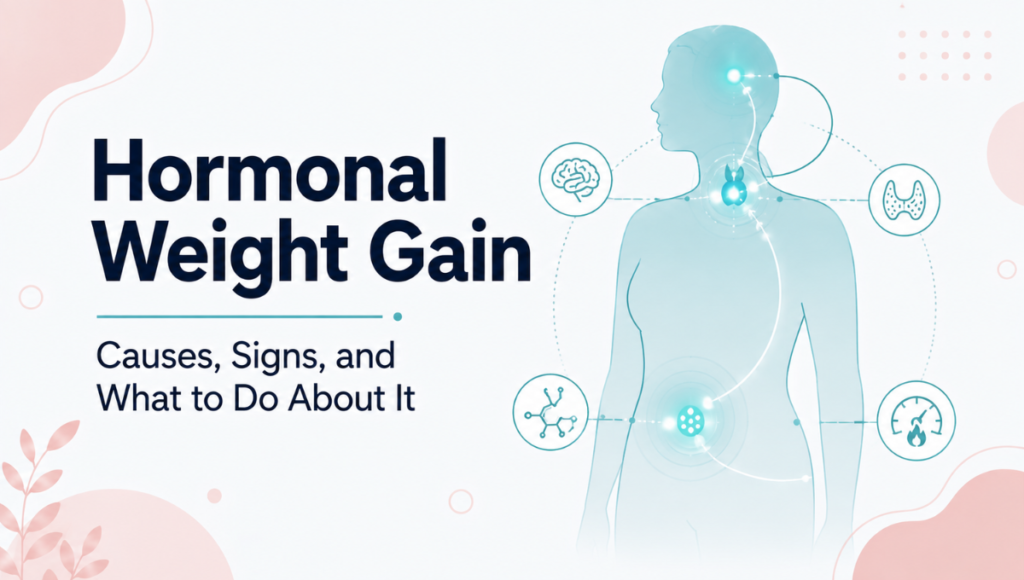
Understanding Hormonal Weight Gain: A Complete Guide
Hormone Replacement Therapy | Hormones and Weight Gain in Women | How to Lose Hormonal Weight Gain?
Weight gain is often caused by many factors, such as eating habits, physical activity, and lifestyle. But people can still gain weight unexpectedly even if they have healthy eating habits and lifestyle. In these situations, people may need to look beyond just their eating and exercise habits. Many more factors may come into play, especially hormone levels.
Hormones manage important processes in the body such as metabolism, appetite, energy, fat storage, mood, and sleep. They also manage reproductive health and processes. When there is an imbalance in any of these processes, the body may start to hold onto more fat and experience more unhealthy weight gain.
Increased weight is not caused by one hormone alone. Many hormones work together to regulate and manage how the body manages and stores energy. Changes in insulin, cortisol, thyroid hormones, estrogen, testosterone, leptin, and ghrelin levels can all impact weight management.
Knowing the signs and causes of hormonal imbalances on weight gain can be valuable for changing habits and for improved overall health.
What is Hormonal Weight Gain?
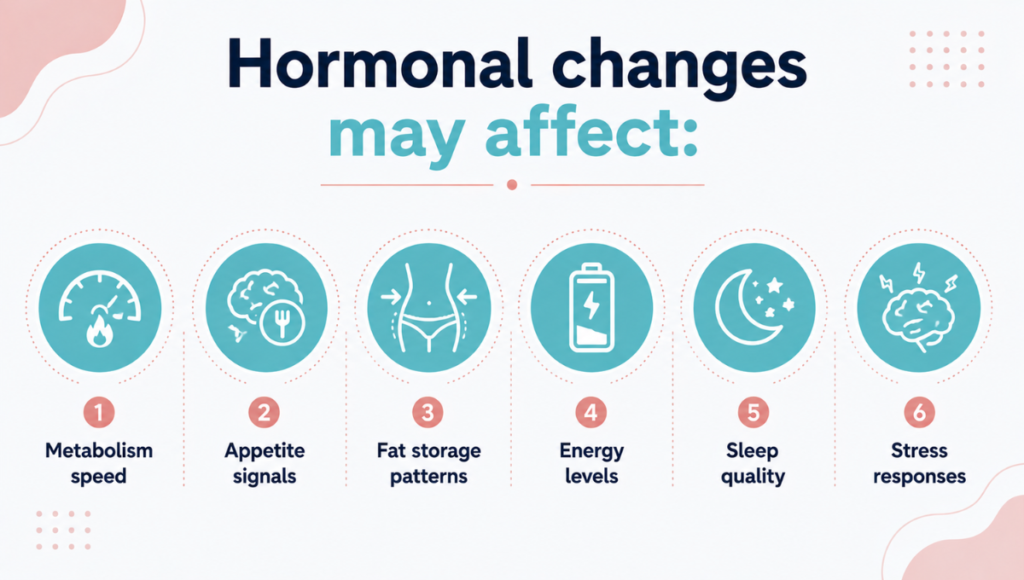
Hormonal weight gain is the weight gain that happens as a result of a disruption to hormones that regulate your metabolism and appetite. It can also cause your body to store excess fat. A disruption to these hormones can also cause you to gain weight. In addition to the weight gain, you may also notice self-limiting factors that prevent you from losing weight, chronic fatigue, elevated hunger, mood changes, sleep issues, changes in your shape, and weight loss resistance. Hormones play a large part in your weight and health in general, including:
- How quickly your body burns calories
- How your body stores fat
- How you feel: hungry, tired, and full
- How your body responds to outside stressors or threats
- How your muscles grow
- How your body uses your energy stores
Disrupted hormone levels or hormone problems mean that your habits become even more important, because healthy habits cannot circumvent endocrine disruptors. Many people ask, do hormonal changes cause weight gain? Yes. Hormonal changes may alter the rate of metabolism and body fat storage, and this may also create an imbalance in weight.
Common Hormones That Can Affect Weight
Hormones such as insulin, cortisol, thyroid hormones, estrogen, and leptin are essential to regulating metabolism, appetite, fat storage, and overall body weight.
Insulin and Weight Gain
Insulin is a hormone produced by the pancreas that regulates glucose levels by helping glucose enter cells for energy. Its resistance can develop when the body develops resistance to insulin. This causes the body to produce more insulin, primarily causing weight gain and fat deposition around the abdomen. Signs of weight changes due to insulin resistance may include:
- An increase in belly fat
- Stronger sugar cravings
- Beginning to feel hungry after a meal
- Fatigue
- Difficulty shedding body fat
Keeping your blood sugar levels stable by eating right and working out regularly will improve your body’s insulin function.
Cortisol and Stress-Related Weight Gain
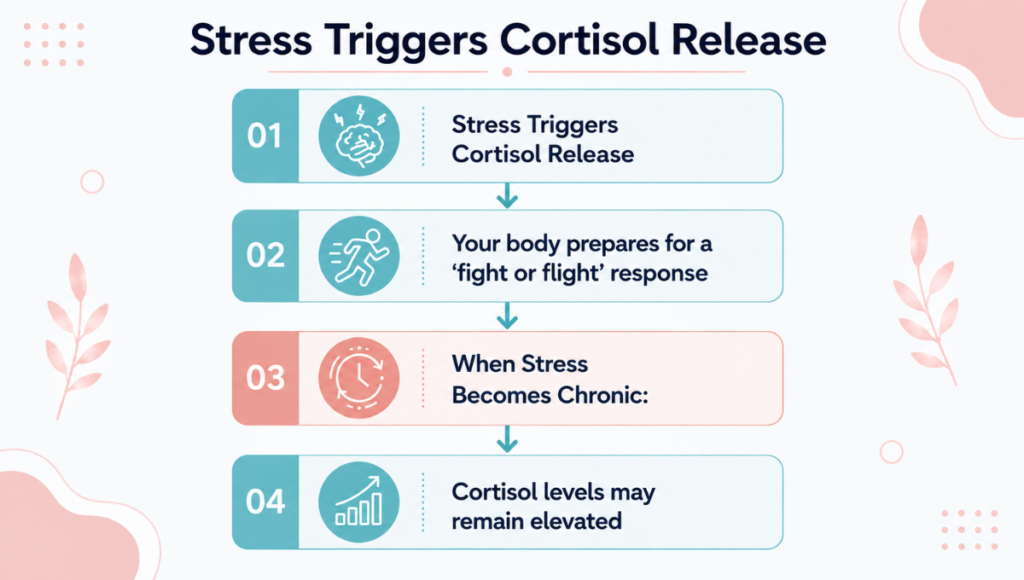
Cortisol is often called the stress hormone. It is responsible for responding to stress and providing additional energy to the body. The body is designed to handle cortisol in small doses for short periods of time. With prolonged periods of stress, cortisol levels are elevated for extended periods of time. Stress can lead to weight gain due to hormones in the following ways:
- Developing a greater appetite
- Cravings for foods that are high in calories
- Creating sleeping problems
- Increased accumulation of fat in the abdomen region
While stressed, most people notice a change in their eating habits. Stress can lead to emotional eating and taking on habits that support weight gain, like decreased physical activity and frequent snacking, which leads to cortisol and weight gain.
Thyroid Hormones and Metabolism
Thyroid hormones regulate the body’s metabolism. Hypothyroidism occurs when there is insufficient production of thyroid hormones. Consequences of hypothyroidism include weight gain, as it slows the body’s metabolism.
Having a low thyroid also has symptoms such as weight gain, fatigue, cold sensitivity, dry skin, and constipation. Other symptoms of hypothyroidism include decreased energy levels and difficulty concentrating.
Estrogen Changes and Weight Gain
Estrogen affects the body’s fat distribution and is key to reproductive health. There are fluctuations during some stages of life, like perimenopause and menopause, that result in the body’s natural fluctuations of estrogen. The body responds to these fluctuations by storing fat differently. Because of this, there is the potential to gain weight. Changes can include the following:
- A hormonal belly fat
- A change in body shape
- A decrease in strength
- More frequent food cravings
- Weight maintenance is easier
- These are only some of the changes.
Leptin and Ghrelin: Hunger Hormones
Leptin and ghrelin are important for regulating hunger and satiety hormones, meaning it makes you feel full. Ghrelin is the hunger hormone, meaning it stimulates hunger. Disruption of these hormones and weight gain may make you:
- Always feel hungry
- Never feel full after eating
- Increase snacking constantly
- Always feel like you need to eat food
Testosterone and Body Weight
Testosterone levels influence muscle development as well as energy levels and fat storage in men and women. Having low testosterone and weight gain also means all of those things get worse:
- Reduced muscle mass
- Lower energy levels
- Increased fat storage
- Lower physical strength
Since muscle helps the body burn energy, strength training and keeping up with physical activities help maintain muscle and a healthy metabolism.
Health Conditions Linked to Hormonal Weight Gain
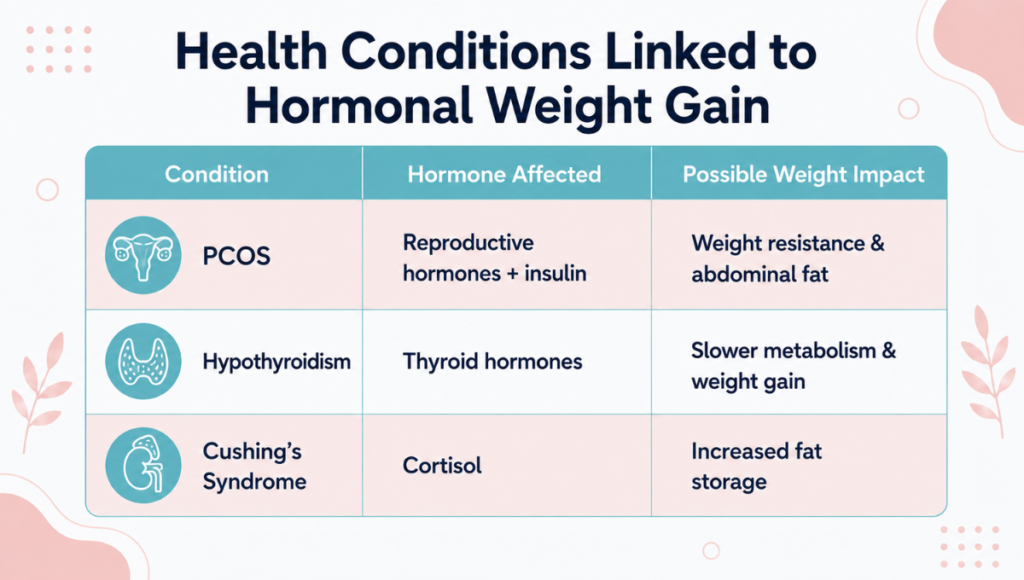
Many health conditions can cause hormonal imbalance and weight gain:
Polycystic Ovary Syndrome (PCOS)
PCOS affects the balance of reproductive hormones and insulin sensitivity, which can lead to weight changes. Common symptoms are:
- Irregular menstrual cycles
- Acne
- Increased facial and body hair
- Weight loss resistance
- Weight gain in the abdominal area
Support for PCOS management may require lifestyle changes and may include medical support based on the individual.
Hypothyroidism
Excessive weight gain is a symptom of hypothyroidism and is caused by a hormone deficiency from the thyroid. People with hypothyroidism have:
- Tiredness
- Slowed metabolism
- Dry skin
- Heightened sensitivity to cold temperatures
- Emotional instability
After the condition is diagnosed and treatment is started, managing the symptoms and weight becomes easier.
Cushing’s Syndrome
Cushing’s syndrome is caused by high levels of cortisol, which leads to changes in fat storage and body composition. It can cause:
- Weight gain in the abdomen
- Fat buildup in the face
- Weakness in the muscles
- Changes to the skin
Signs Your Weight Gain May Be Hormonal
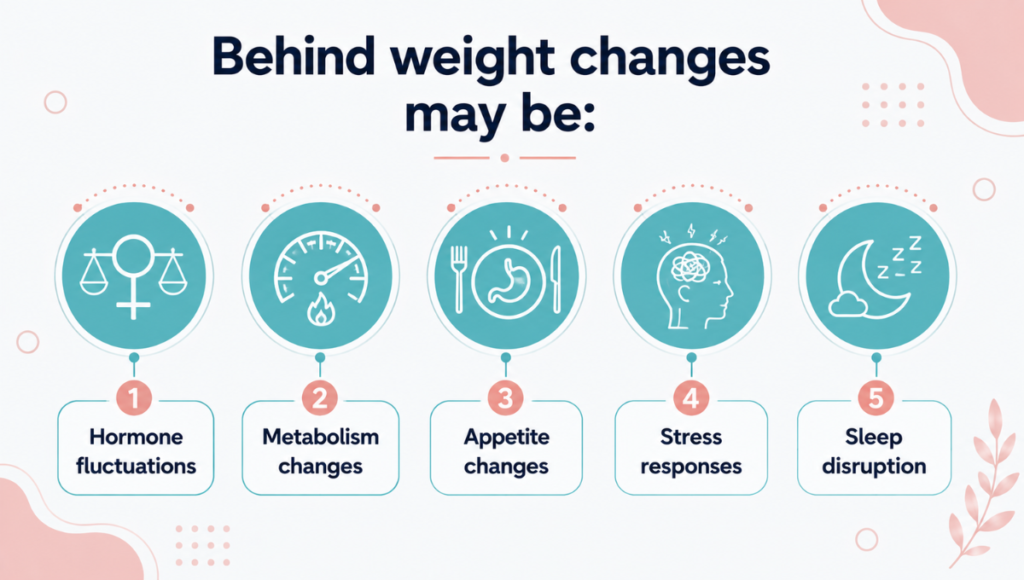
Sometimes it can be difficult to determine if weight gain is likely to be hormonal. Below are some symptoms that may indicate a thyroid weight gain that is likely to be hormonal.
Sudden Weight Gain
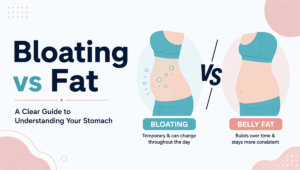
Rapid changes in weight or bloating may require further examination and may not be the result of dietary changes or an increase in physical activity.
Increased Belly Fat
PCOS weight gain may be the result of abdominal fat, especially when considering that hormonal shifts were responsible for the weight gain.
Persistent Fatigue
Changes in hormones can lead to changes in metabolism and can result in persistent fatigue.
Increased Food Cravings
Menopause weight gain may be the result of changes in insulin levels and changes in the appetite hormone.
Changes in Appetite
Poor sleep can lead to weight gain from hormonal imbalances that influence hunger and metabolism.
Sleep Problems
Changes in mood and appetite can be attributed to fluctuations in hormones due to poor sleep.
Mood Changes
Stress weight gain can be the result of changes in hormones due to stress.
Eating Changes
Changes in menstrual occurrence can also be attributed to changes in hormones and should be reported to a health care professional.
What Can You Do About Hormonal Weight Gain?
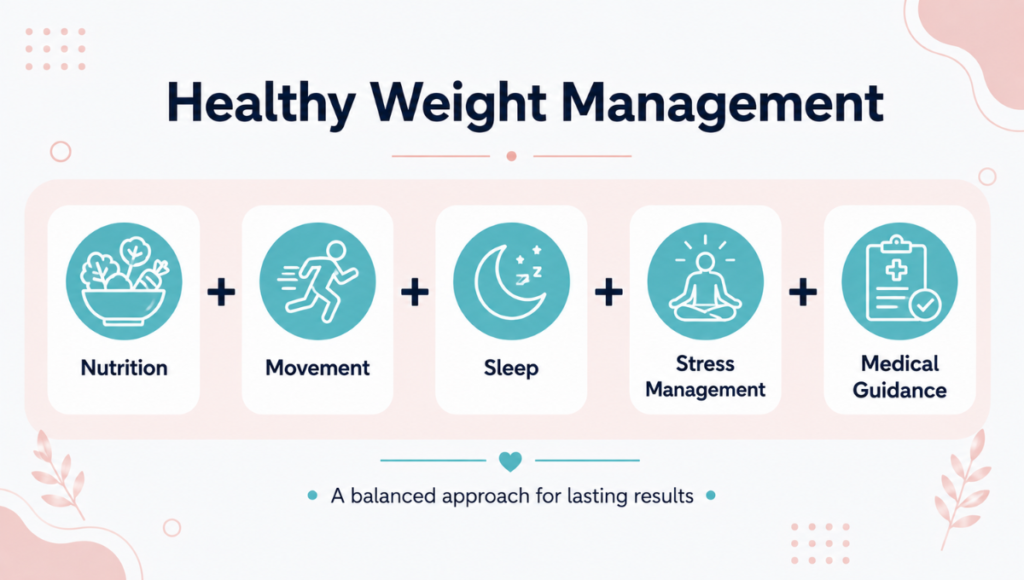
Managing hormonal weight gain requires balance across many aspects of life. Diet, exercise, sleep, and stress management on their own can help balance hormones, but some people also need professional help to bring their hormone levels to an even keel.
Learn how to stop hormonal weight gain due to fluctuations, lifestyle changes, the impact of stress, and the adverse effects on metabolism. Analyzing hormone replacement therapy shows individuals how to address their hormone symptoms at varying levels.
Eat a Well-Rounded Diet
To improve metabolism and blood sugar regulation, incorporate a range of different foods into your diet such as curd for weight loss, vegetables, fruits, whole grains, healthy fats, and plenty of water. Balanced diets can also support hormone balance. Processed foods and added sugars can impair insulin function, so try your best to avoid them as well.
Be Physically Active
Metabolism relies on being active, so physical activity that includes strength training, stretching, walking, and cardio is important for metabolism. Strength training, specifically, supports metabolism the most. Supporting metabolism, and in turn helping regulate hormones, isn’t the only benefit of strength training.
Develop a Sleep Routine
The peak hormone regulator of the body is sleep. Sticking to a consistent bedtime will help manage your body’s production of stress and hunger hormones.
Keep Yourself Busy
It is important to keep your body busy. With acute stress, things like a busy schedule or taking up a hobby can help take your mind off stress eating, and you will feel fulfilled and know where your time is going.
Check in With a Professional
Unexplained fluctuations in weight may indicate the need for medical testing. The right path for a healthy weight and lifestyle can be recommended by a physician after determining any hormones that cause weight gain.
ShapeIn Rx – Start Your Weight Loss Journey with Trusted Telehealth Care
ShapeIn Rx offers professional medical weight loss care without the hassle of long drives and in-person appointments. Using our secure telehealth, you can connect with medical weight loss care providers who will give you recommendations and provide clinically prescribed weight loss medications such as compounded semaglutide, liraglutide, and other safe prescription weight loss medications. We give you virtual health care support for your weight loss goals.
Conclusion
Weight gain involving hormones can be confusing. Some hormones influence metabolism, hunger, the stress response, and, of course, the storage of fats. While weight management involves more factors than just hormones, the balance of these factors will determine how your body behaves to changes in exercise, diet, and how you generally live your life.
It’s important to understand what the symptoms of an imbalance are, so we can learn to manage them. Many consider hormone replacement therapy a solution to the various issues related to mood changes, fatigue, sleeping problems, and other symptoms of the fluctuation of hormones. Achieving and maintaining a healthy weight will lead to other long-term health benefits. The balance of a healthy lifestyle can be achieved through a partnership with your health support. Are you ready to take charge of your own weight loss journey? Contact us to facilitate telehealth weight loss support with medical professionals you can trust.
FAQS
How Can I Tell if My Weight Gain is Due to Hormonal Changes?
Weight gain caused by hormonal changes can be identified by many symptoms, including unexplained weight gain, fatigue, cravings, changes to sleep or mood, and difficulty losing weight with healthy behaviors. Healthcare professionals have the tools needed to help you determine if your weight gain is due to hormones.
Can Hormonal Weight Gain be Fixed?
In most cases, the weight gain caused by hormones can be fixed by dealing with the original hormonal concern. Several changes can be made to a person's lifestyle. Eating well, getting exercise regularly, controlling stress, getting quality sleep, and certain medical interventions can help bring about positive changes.
Which Hormones Generally Cause Weight Gain?
There are many hormones that are associated with weight, including insulin, cortisol, the thyroid hormones, estrogen, testosterone, leptin, and ghrelin. Each of these, depending on a person's internal and external state, can influence weight gain in different ways.