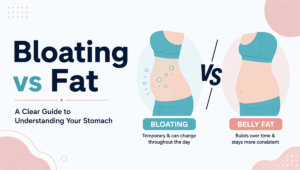
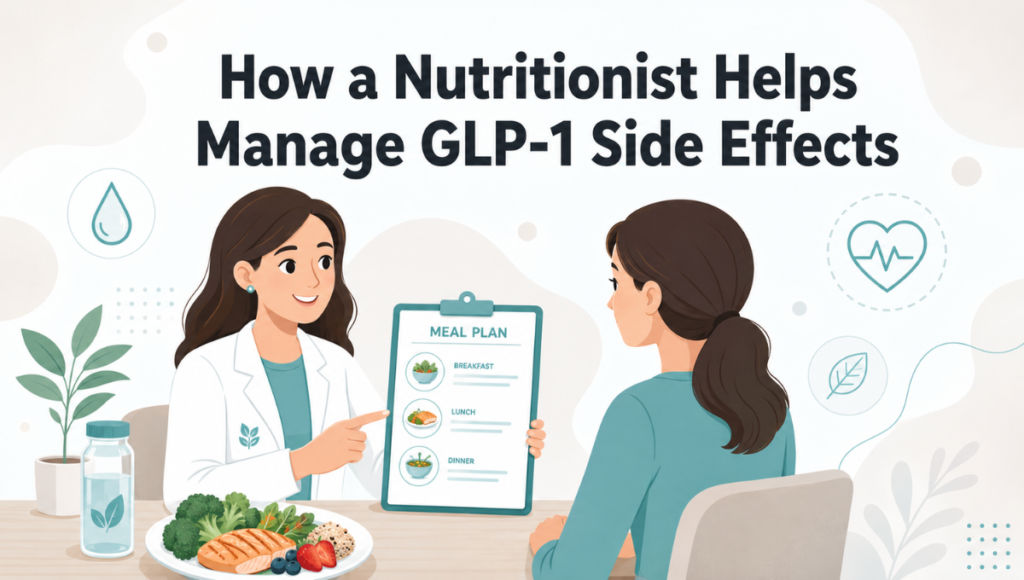
Summary: GLP-1s are helpful for weight loss and managing type 2 diabetes, but have GLP-1 side effects and may cause fatigue, dehydration, and a host of other annoying but minor symptoms. Nutritional therapy may help improve hydration and GI symptoms by having the patient eat smaller meals with gradual fiber intake, have a protein-centered diet, eat nutrient-dense meals, and make better food choices.
____________________________________________________________
How to Manage GLP-1 Side Effects with the Help of a Nutritionist
GLP-1 Meal Plan | Foods To Avoid on Wegovy | High Fiber Foods for Constipation
GLP-1 medications are now an option for patients suffering from type 2 diabetes and patients with related conditions of obesity and food. The advantage of GLP-1 medications is the way in which they alter the physiology of patients by way of appetite, food transit, and hemostasis. GLP-1 receptor agonists delay gastric emptying, reduce appetite, and increase feelings of fullness. The hurdle with the treatment regimen is the development of gastrointestinal side effects. The side effects are exacerbated with an increase in the GLP-1 dosage and the initial administration of the medication.
The incidence of nausea, vomiting, constipation, diarrhea, bloating, reflux, appetite reduction, and lethargy/tiredness has been documented. The gastrointestinal side effects are so prevalent that they are even cited as a concern for health authorities. In general, they are reported and documented to have an occurrence greater than ten percent with patients undergoing treatment with GLP-1.
With the gastrointestinal side effects of GLP-1 medications, the discomfort and pain associated with the medications, and the challenge of maintaining optimal nutrition that the GLP-1 medications present, the contribution of a nutritionist will provide consistency and support optimal nutrition. In this blog, we are going to discuss how a nutritionist can help manage GLP-1 side effects.
Understanding GLP-1 Long Term Side Effects
GLP-1 medications slow gastric emptying, which can help manage appetite, but may cause nausea, early satiety, belching, bloating, reflux, diarrhea, constipation, and abdominal pain. These adverse effects are often encountered at the initiation and during dose escalation of the treatment and may ameliorate with time.
A nutritionist can help you understand what foods, amounts, and how you eat that may be contributing to problems. The expert can develop a more reasonable and useful semaglutide diet plan that will help you eat based on your appetite, your lifestyle, how your body digests food, your weight, how your blood sugar behaves, and any other medical issues you may have. The management of GLP-1 and alcohol requires caution because alcohol can increase nausea, reflux, and dehydration, and affect blood sugar levels during treatment.
Creating Smaller, Easier Meals
A nutritionist supports patients using GLP-1 medications by helping them eat smaller meals. Large meals can overwhelm the body, and due to the slowing down of the digestive system, larger meals can cause nausea on semaglutide, bloating, and reflux.
To avoid pressure being put on the stomach, a nutritionist can advise smaller meals at correct intervals for them during the day. Instead of three traditional large meals, it is more beneficial to eat three smaller meals and one or two more snacks on the lighter side. A nutritionist could say:
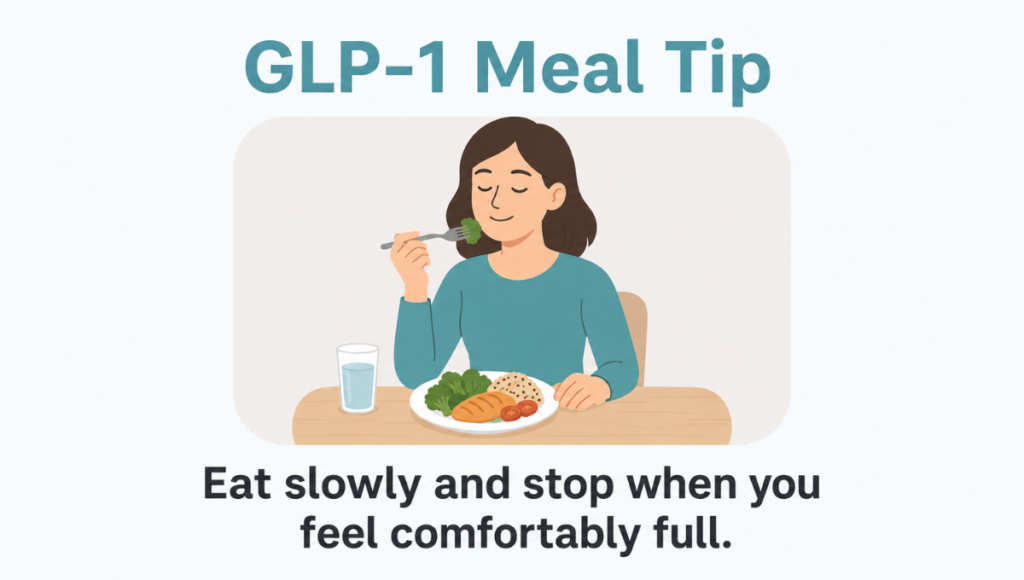
- Eat slowly and stop at a full but comfortable stomach
- Avoid large portions late at night
- Choose soft, light foods when experiencing nausea
- If feeling too full, avoid drinking fluids during mealtime
- Keep meals simple the most recent time a dose was increased
Using all of these suggestions, such as protein shakes for Ozempic at the same time, can help someone consume enough to stay healthy but helps the digestive system stay as relaxed as it can be.
Managing Nausea Through Food Choices
Nausea can make adherence to GLP-1 therapy difficult. It can occur postprandially, upon waking, or after an increase in dosage. A registered dietitian can evaluate the triggers for nausea and develop a diet consisting of foods that will result in a lower incidence of nausea.
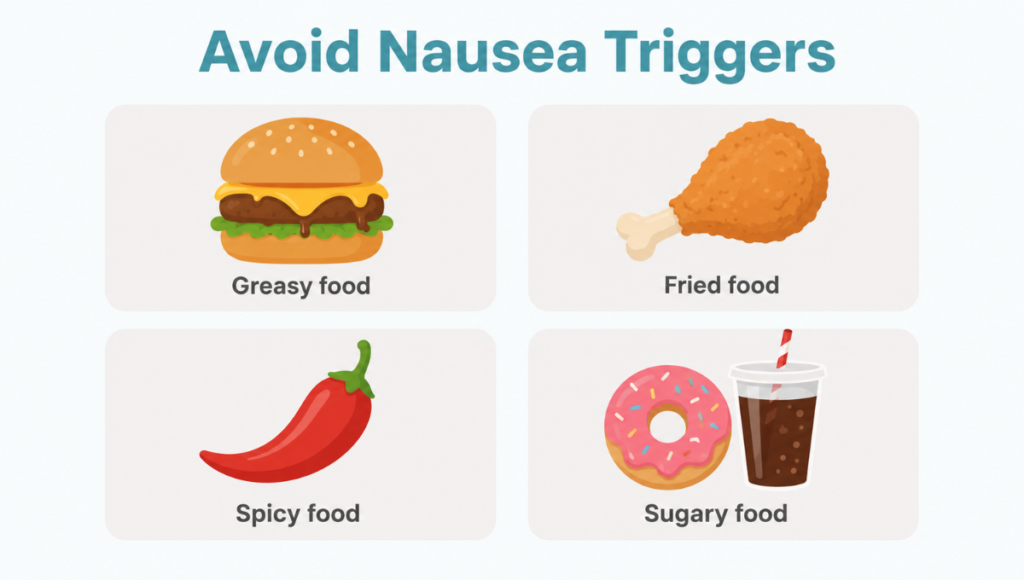
Certain foods, such as high-fat, greasy, fried, spicy, and sugary foods, may exacerbate nausea as they can be more difficult to digest. A dietitian may employ a GLP-1 meal plan where the recommended foods may be more plain, consisting of food such as dry toast, rice, bananas, cooked oatmeal, plain yogurt, or cooked vegetables. Other recommendations may be suggested, such as:
- Gradually increasing meal size
- Not lying supine as soon as postprandial
- Eating foods that are more bland and lower in palatability when nausea is significant
- Not eating foods with strong odors
- Small amounts of water or ginger tea may be consumed
- May be avoiding overeating when there is a reduced appetite
The rationale for these recommendations is to avoid a diet that is more unpalatable with lower food variety and to provide high-fiber foods chart for constipation.
Preventing Constipation
The effect of constipation is experienced due to less fluid intake, less food consumption, consuming less fibrous food, and less physical activity. The appetite-reducing feature of the GLP-1 medication leads to the lessened consumption of food of a fibrous nature (fruits, etc.).
A GLP 1 nutritionist near me will create a gradual diet plan which incorporates more fiber and less bloating while addressing constipation. This bloating and constipation will be made more difficult with a sudden influx and increase of fiber. The following food aids will be useful along with hydration:
- oats
- lentils
- beans
- berries
- apples
- pears
- chia seeds
- ground flaxseed
- vegetables
- whole grains
- prunes
- Kiwi
Nutritionists may set a gradual goal with practical fluid aims as fiber may cause dehydration. Bolstering fluid goals may eliminate the risk of kidney-related complications if vomiting and diarrhea occur. Foods with high water content (cucumbers, oranges, soup, water-rich smoothies, etc.) may also form a part of the planned nutrition.
Handling Diarrhea and Loose Stools
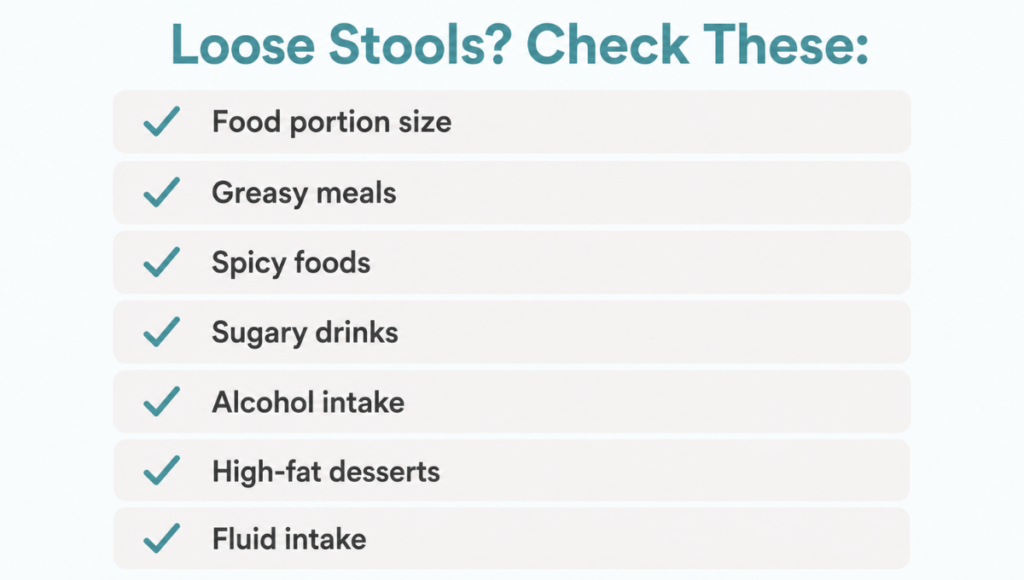
Some individuals who are newly prescribed a GLP-1 agonist, those prescribed a higher dose, or those who consume rich foods after starting the medication may experience diarrhea. Frequent diarrhea can affect comfort, everyday tasks, and even put individuals at risk of dehydration.
A nutritionist will likely advise you to start a food journal to document which of the following foods may be the main culprits: greasy foods, poor portion control, alcohol, sugar-sweetened beverages, spicy foods, and high-fat desserts. During a diarrhea episode, a nutritionist may recommend the GLP-1 diet plan and recommend yogurt and lean meats.
Because of the increased likelihood of dehydration due to the combination of diarrhea and nausea and/or vomiting, a nutritionist will also recommend an increased intake of oral rehydration therapy.
Supporting Protein Intake and Muscle Health
GLP-1 medications cause appetite suppression that makes it more challenging to meet protein needs. Lack of sufficient protein can lead to muscle loss, weakness, fatigue, and hair loss among other issues. One goal of a nutritionist is to provide a high protein meal plan for weight loss while controlling nausea levels. Some of the options available are:
- Eggs
- Greek yogurt
- Cottage cheese
- Fish
- Chicken
- Turkey
- Tofu
- Beans and lentils
- Protein smoothies
- Lean meat
- Protein-rich soups
To help keep muscle, some nutritionists will recommend consuming protein first. It is also important to help nourish the body and keep it healthy.
Avoiding Nutrient Gaps
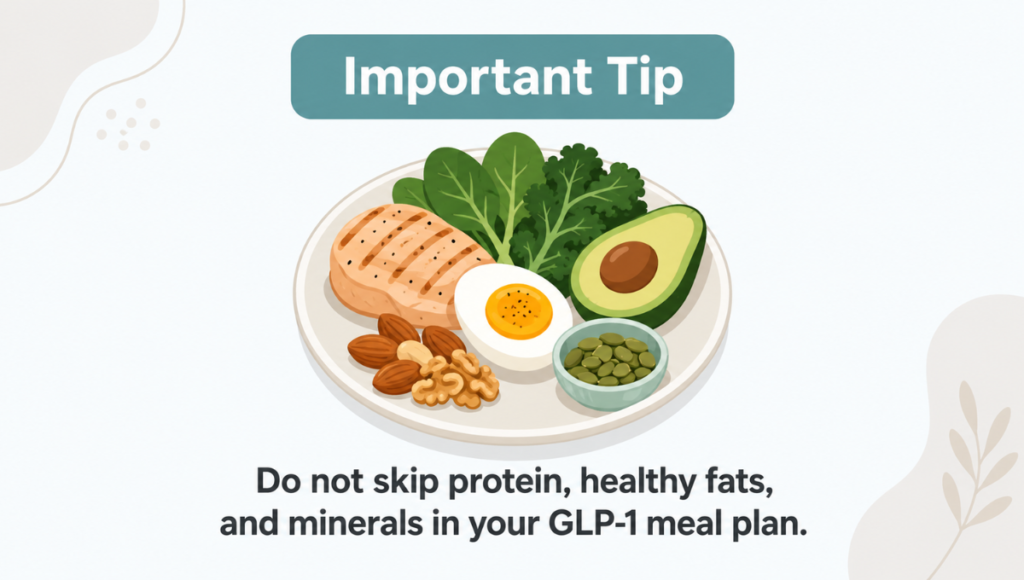
While people take GLP-1 medications, their appetite decreases. This appetite decrease may lead to a deficiency in iron, calcium, vitamin D, B vitamins, magnesium, potassium, and healthy fats.
A nutritionist looks at daily food and beverage consumption and suggests tirzepatide diet plan that helps with these gaps. Foods include leafy greens, dairy or fortified dairy substitutes, nuts, seeds, legumes, fish, eggs, whole grains, fruit, and vegetables. The idea is that smaller and more nutrient-dense meals help with this nutrient deficiency.
Helping With Reflux, Burping, and Bloating
Slower emptying of the stomach can lead to symptoms of reflux, eructation (burping), bloating, gas, or an uncomfortable feeling of fullness. Some of the recommendations from a nutritionist may include the following:
- Eat smaller meals in the evening.
- Avoid eating before going to bed.
- Decrease fried and spicy foods.
- Drink fewer carbonated beverages.
- Take your time eating meals.
- Remain seated after meals.
- Choose cooked vegetables when feeling bloated.
These nutritionists may also have patients keep a symptom diary to help in identifying the foods that may be responsible for the symptoms. Those foods may include dairy, beans, artificial sweeteners, carbonated beverages, and high-fat foods.
Supporting Blood Sugar Stability
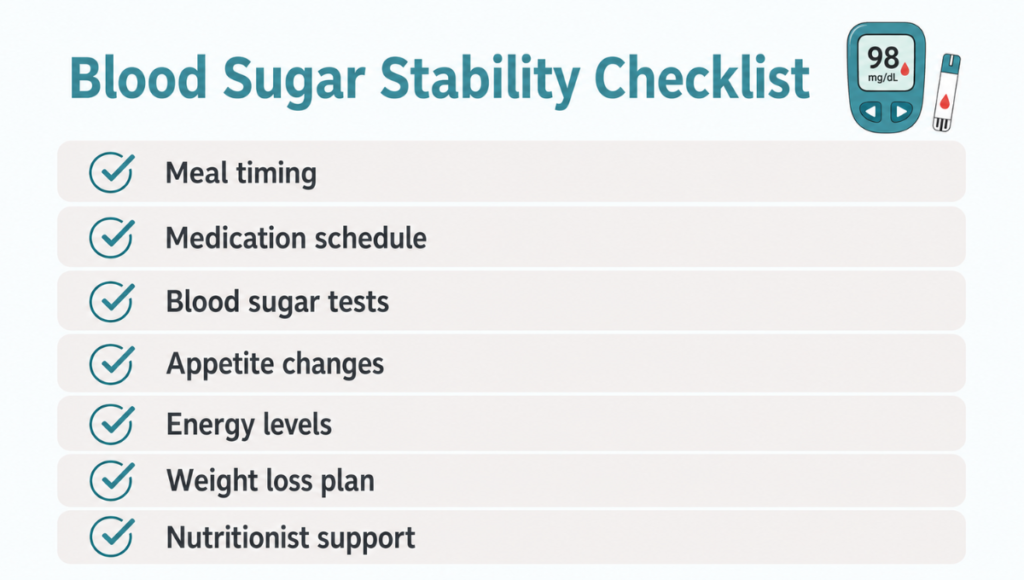
Many people use GLP-1 medications for type 2 diabetes. With your appetite being reduced, you may not eat enough to sustain your energy levels or your blood sugar levels, especially for those people using insulin or other medications that lower blood sugar.
A nutritionist would be able to assist you in coordinating your meal plan for weight loss, the times you take your medications, and the blood sugar level tests in a way that would allow your medical team to provide safer options for managing diabetes.
Building a Personalized Eating Routine
A nutritionist builds a workable plan from lifestyle, appetite, culture, schedule, and food prep. Here are a few examples of what that can look like:
- Convenient breakfast ideas
- Protein snacks
- Weekly meal prep
- Water and fiber goals
- Grocery lists
- Dining out tips
- Symptom log
- Dose increase week strategies
This helps clients build the skills and confidence to stick to the plan and combat unwanted side effects from GLP-1 treatments.
| Area | Nutritionist Support |
| Breakfast Ideas | Quick, protein-rich options |
| Protein Snacks | Easy snacks for low appetite |
| Meal Prep | Simple weekly food planning |
| Water & Fiber | Goals for hydration and digestion |
| Grocery Lists | Foods based on needs and preferences |
| Dining Out | Smarter meal choices outside |
| Symptom Log | Tracks triggers and side effects |
| Dose Increase Weeks | Gentler meals and smaller portions |
Why Nutritionist Support Improves GLP-1 Success?
GLP-1 treatment is designed to work in tandem with healthy habits that are believed to be sustainable. Those who do not have any kind of nutrition counseling for weight loss may engage in other forms of treatment that may result in loss of muscle mass, dehydration, constipation, or treatment withdrawal as a result of intolerable adverse effects. Nutrition support may improve the safety and comfort of the treatment through:
- Improved digestion
- Reduction in symptoms related to food
- Protein sufficiency
- Fluid sufficiency
- Proper balance of dietary fiber
- Blood sugar regulation
- Intake of health-supportive foods
- Lose weight in a sustainable manner
- Improved relationship with food
Nutrition support provides additional structure and accountability. Many people using GLP-1 medication will have uncertainty as to what they should be eating. Nutrition support allows for tailored eating plans, the ability to adapt as symptoms dictate, and eating plans that help support adequate nutrition even with a reduced appetite.
ShapeInRx– Guiding You Toward Better Wellness

At ShapeInRx, we believe that every person carries the potential to lead a life filled with health, happiness, and confidence. Tailored support, trust, and expertise are the hallmarks of the services we provide to support our stakeholders on their health and wellness journeys. Here, we engage with our stakeholders to ensure that our services and supports go beyond transactional interactions. We want our stakeholders to feel that they are cared for, educated, and inspired.
ShapeInRx holds the commitment to safety, high standards, and reliability present in all the offerings of Wellhealth LLC, of which we are proudly included. Our services are dedicated to supporting your transformation with professionalism and kindness at all times. ShapeInRx is your wellness partner every step of the way. We are here for you on your health journey and your ongoing wellness support for the future.
Final Thoughts
GLP-1 medication has side effects that can be a nuisance. GLP-1 injection site reactions that can occur, such as nausea, constipation, diarrhea, bloating, reflux, dehydration, and nutritional deficiencies, can be alleviated by a good nutritional strategy. A nutritionist can also aid in the preservation of muscle mass and improvement of protein levels and the balance of blood sugar, as well as the overall tolerability of meals.
GLP-1s should only be prescribed with a doctor’s oversight. Nutrition interventions can be made to improve comfort, safety, and compliance with treatment. With the correct adjustments and interventions, people can achieve better health, improve diet quality, and gain more from the GLP-1s. Contact us today and take the first step toward a healthier, more confident, and more supported wellness journey.
FAQs
What Foods Should I Restrain From as I Take GLP-1?
Consumption of fried foods, greasy foods, foods that are very spicy, foods in large portions, sugary drinks, carbonated drinks, large late-night meals, and heavy late-night meals that are heavy may be contributing to nausea, reflux, bloating, and diarrhea. These foods may be best to avoid. A nutritionist may help you identify personal triggers specific to you.
Will a Nutritionist Solve GLP-1 Constipation?
Yes. The nutritionist would be a perfect solution to constipation from GLP-1, as a nutritionist can gradually increase fiber, improve hydration, incorporate more gut-friendly foods, and more. A nutritionist can even design digestible meal plans to enable one to have regular bowel movements. They even can limit the bloating by using the proper type and amount of fiber.
Is Protein Still a Need With the GLP-1?
Protein, for sure, is a need and remains very important because GLP-1 suppresses appetite, which makes it easier to undereat. Protein is very important for muscle, even during weight loss; it supports energy and fullness and aids recovery. Nutritionists can incorporate protein even into smaller meals that are digested better and more easily.