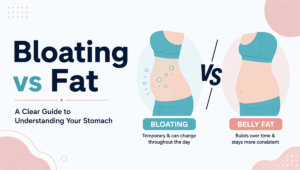

Summary: Weight loss is a continuous process. You cannot expect overnight results. A thoroughly made weight loss meal plan can prove a lifesaver in such situations. But the guidance from the right nutritionists is also necessary. Choosing generic weight loss plans doesn’t provide any value to your routine. They are temporary fixes and make you lose all the motivation for achieving your weight loss goals. Instead, investing in a professional nutritionist who can provide a personalised plan offers better outcomes.
_____________________________________________________________________________
How a Nutritionist Supports a Healthy Weight Loss Meal Plan
Medical Weight Loss Program | Nutrient Rich Foods | Diet Plan for Weight Loss
Achieving weight loss goals is a challenging situation for countless people. Professional healthcare experts suggest a weight loss meal plan that suits their specific weight, lifestyle, physical activity level, and overall preferences. But even when people try various diets and weight programs, they find it difficult to get consistent weight loss results. Using the services of an online nutritionist helps make a difference.
They don’t provide the same solution to everyone. Instead, they consider your individual differences, which set your weight-loss journey apart from others’. Choosing a registered dietitian near me for weight loss helps manage your weight and metabolic health without any issues. They offer customised help, so learning the details is beneficial.
Who is a Nutritionist?

Some people confuse a nutritionist with a dietitian. They are similar but not the same. Nutritionists handle the general well-being and help people improve their eating patterns and food choices.
- They simplify nutrition basics for the people and help them choose healthy lifestyle habits.
- But know that some nutritionists hold advanced degrees and credentials, while others call themselves nutritionists without proper education, clinical training, or a professional license.
- This means there is a variety of nutrition counseling for weight loss, from highly advanced to those with limited formal backgrounds.
- Know that a registered dietitian for weight loss can call themselves a nutritionist. But a nutritionist cannot call themselves a dietitian. They have to meet strict regulations and professional standards for that purpose.
- A nutritionist can help you lose weight. But, considering their professional limitations is ideal before selecting a nutritionist to avoid clashes.
Why Generic Weight Loss Plans Mostly Fail?
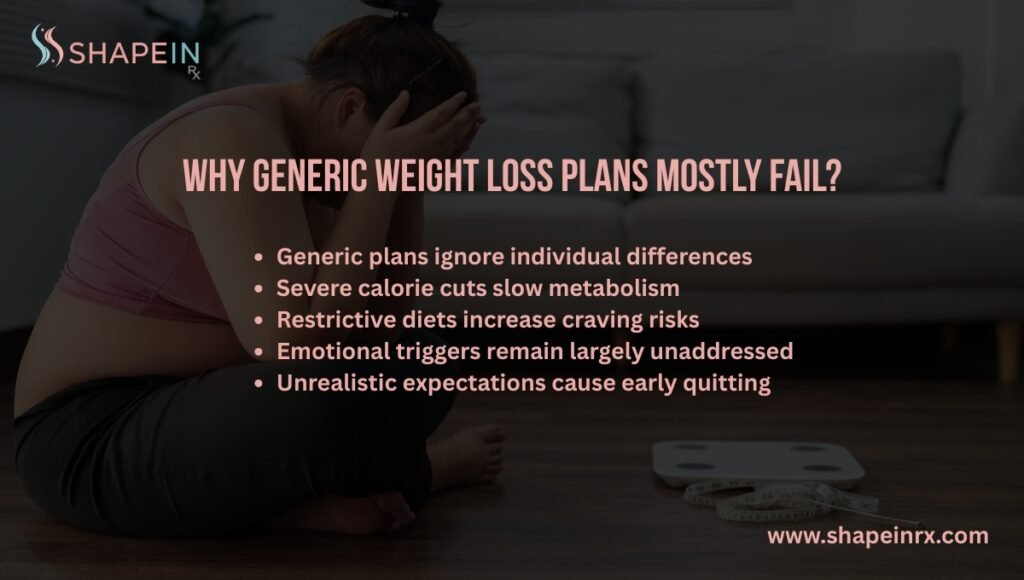
When you search for a weight loss nutrition plan, the internet offers countless options with promising weight loss results. Whether you need low-carb diets, intermittent fasting, detox programs, or meal replacement options, every type of information is available. But still, these programs fail to provide long-term results. It happens due to the following reasons.
-
Lack of Personalisation
If a meal prep for weight loss is designed for an average person, it avoids the fact that everyone’s body processes food differently.
- A generic weight loss meal plan is not suitable for people who have underlying medical conditions.
- A generic weight loss meal plan for women is also not suitable for someone with hormonal imbalances like PCOS, insulin resistance, and thyroid issues.
- A diet becomes difficult to provide reliable results when it’s not according to your specific lifestyle, daily routine, and food preferences.
- Variations in genes, gut microbiome, and baseline fitness levels also affect the weight loss plan results.
-
The Starvation Response
When you suddenly cut off calories, your body sees it as an energy emergency. To save energy, your basal metabolic rate (BMR) slows down. This simple action makes weight loss further difficult. Your body increases ghrelin and decreases leptin, which leads to satiety. This hormonal change makes people constantly hungry, and people feel on edge to eat unhealthy foods.
-
The Willpower Trap
When you don’t have a high protein meal plan and choose a generic plan, it makes you constantly rely on discipline to fight off cravings and hunger. It happens because human brains are wired to repeat behaviours that offer constant and instant rewards. Restrictive eating habits usually create a cycle of deprivation, binge eating, and guilt.
-
Avoiding Psychology and Habits
Weight gain is associated with emotional eating, stress, or poor sleep. Standard diets and exercise regimens rarely address such issues. When you don’t have the right support, coaching, or a customized meal plan, it becomes easier to slip back into older habits when progress stalls or life gets stressful.
-
Unrealistic Weight Loss Expectations
Most generic programs promise rapid results and lead to all-or-nothing thinking. When the scale doesn’t move as fast as planned, or when a slip-up occurs, many people become frustrated. They feel like a failure and quit the complete program.
-
Improper Restrictions
Many popular diets impose strict food restrictions that are difficult to maintain over time. This often leads to frustration, cravings, and eventual abandonment of the diet.
How Does a Personalized Meal Plan Help with Weight Loss Goals?

Choosing an online nutritionist near me helps people in various ways. It’s a type of trial-and-error procedure that requires continuous efforts. But professional nutritionists can help you in several ways.
-
A Balanced Diet for Weight Loss
A nutrition coach for weight loss helps create a personalised nutritional plan, which helps you achieve realistic goals. They provide guidance related to dietary needs and specific food preferences, which are useful for weight goals. These professionals help you find your specific carbohydrate tolerance, incorporate lean protein and healthy fat sources into your diet, and add necessary nutrients to your diet.
-
Offer Nutritional Education
Nutritionists have proper information about a healthy meal plan for weight loss and what type of foods you should eat. They provide guidance to incorporate foods into your routine, which can help you get closer to your weight loss goals. They also prevent foods from your dietary habits, which can otherwise lead to improper results.
You can support healthy blood sugar levels and get details about macro and micronutrients for easy meal prep. They regularly monitor your food habits to check if there’s anything that needs changing.
-
Address the Root Causes of Weight Gain
Sometimes, weight gain happens due to underlying health conditions. Just reducing calories cannot help gain better outcomes. A nutritionist provides a meal plan for healthy eating and weight loss, along with strategies that suit your body’s unique biology and help to correct your metabolic dysfunction while ensuring weight loss.
-
Provide Behavioural Modifications Support
It becomes a difficult process to change or adopt a new habit. That’s why nutritionists help people to improve their lifestyles according to weight loss measures that suit their specific needs and lifestyle preferences.
Every weight loss journey is unique. You cannot speed up things. But instead, making healthy changes can help. A nutritionist helps with how to meal plan for weight loss and what works best for your weight management needs.
-
Provide Balanced and Non-Restricted Guidance
When you choose a professional nutritionist, they will help you learn what to eat for weight loss. They won’t make foods restrictive for your body and diet. Instead, they will help you adopt new changes while still meeting your weight loss goals.
Rather than using strict regulations, nutritionists help focus on balance and moderation in your dietary habits. They help maintain sustainable relationships with food, so you don’t feel deprived of the goodies. This is one of the reasons most diet plans fail.
-
Lifestyle Changes
Even small changes can help you completely transform your lifestyle. A professional nutritionist helps you adopt healthy lifestyle changes and learn what is the best diet, suitable for your weight loss needs. These professionals also remain in connection with you throughout your journey. They ensure accountability over time to help you remain on the specific ways they have discussed for weight loss.
-
Helps in Setting Long-Term Goals
A nutritionist offers a weight loss meal plan that doesn’t just help achieve specific weight goals, but prove effective in the long-term. You can get the right knowledge and ways that help you remain on track. Achieving even small goals makes people feel happy with themselves. But complete weight management is an ongoing treatment, and the right nutritionist can help you in various ways.
How to Create a Balanced Meal Plan for Weight Loss?
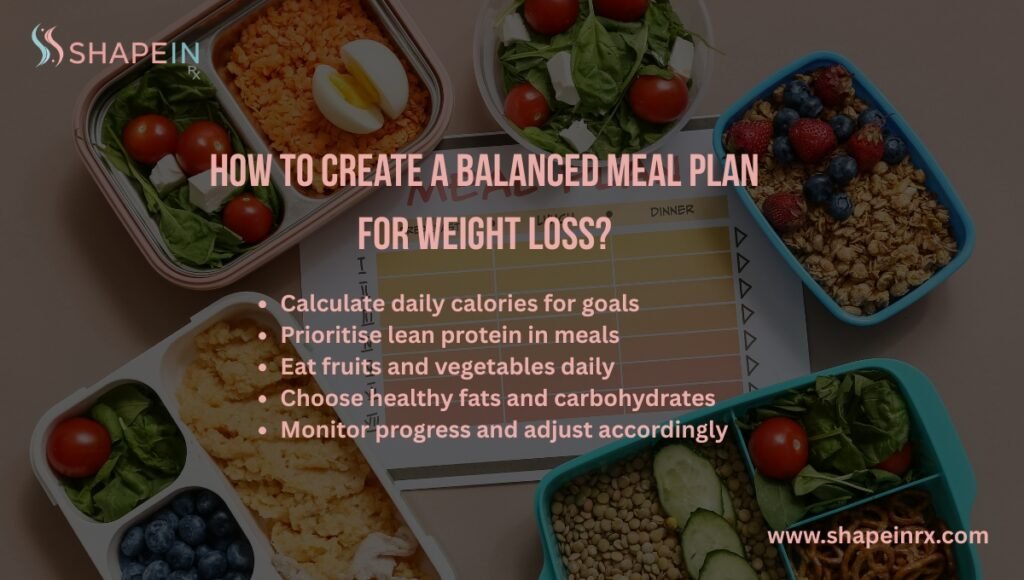
When it comes to creating a balanced weight loss meal plan, considering various factors matters.
1. Determine Your Daily Calorie Requirements
The first step is to understand how many calories your body needs each day. Factors such as age, gender, weight, activity level, and weight loss goals influence your calorie requirements. To lose weight effectively, aim for a moderate calorie deficit that promotes gradual fat loss while maintaining energy levels and overall health.
2. Prioritise Lean Protein Sources
Protein plays a vital role in weight loss by helping preserve muscle mass, increasing satiety, and reducing cravings. Include lean protein sources such as chicken breast, fish, eggs, Greek yoghurt, tofu, legumes, and low-fat dairy products in your meal plan. Try to incorporate protein into every meal and snack.
3. Include Plenty of Fruits and Vegetables
Fruits and vegetables are rich in vitamins, minerals, fibre, and antioxidants while being relatively low in calories. They help keep you full for longer and support overall health. Aim to fill at least half of your plate with a variety of colourful fruits and vegetables throughout the day.
4. Choose Healthy Carbohydrates and Fats
Rather than eliminating carbohydrates or fats, focus on healthier options. Prefer whole grains, oats, brown rice, quinoa, and sweet potatoes for sustained energy. Include healthy fats from sources such as avocados, nuts, seeds, olive oil, and fatty fish to support hormone function and satiety.
5. Plan Balanced Meals and Control Portions
A balanced meal should contain a combination of protein, fibre-rich carbohydrates, healthy fats, and vegetables. Pay attention to portion sizes to avoid overeating, even when consuming nutritious foods. Using smaller plates, measuring servings, and tracking food intake can help maintain portion control.
6. Monitor Progress and Adjust as Needed
Weight loss is an ongoing process that requires regular evaluation. Track your progress, energy levels, and eating habits. If results slow down or your needs change, adjust your calorie intake, meal composition, or portion sizes accordingly.
Consistency and flexibility are key to long-term success. Many people who are interested in weight loss want to know what the best diet is for losing weight. But it depends on their overall progress, weight loss requirements, and professional help.
Get a Reliable Online Weight Loss Consultation from ShapeIn RX

Interested in booking a telehealth doctor appointment for a customised weight loss meal plan? ShapeIn RX can help.
- As a professional weight loss clinic, we have a team of healthcare experts, including nutritionists, to help people simplify their weight loss journey.
- We don’t bind people with headache-causing subscriptions and monthly plans.
- Instead, our healthcare professionals learn about their specific weight management requirements. Then, provide suitable solutions and customised meal plans after considering their lifestyle and eating habits.
- Achieving your weight loss goals is not an overnight thing. You have to continuously put effort into making your overall lifestyle healthy with professional supervision for better and long-term results.
Conclusion
To conclude, a weight loss meal plan is a simple solution for people interested in maintaining healthy lifestyles. But the right weight loss journey is not about cutting out specific foods and going on with your routine. It’s about balancing your lifestyle with healthy activities and incorporating essential foods that provide the right energy to your body while helping you achieve weight loss goals. A professional nutritionist can help you in various ways, so call us for more details.
FAQs
Does a nutritionist help with weight loss?
Yes, nutritionists help people to set realistic weight loss goals. They will tell you how many calories you should eat per day to lose weight consistently and safely. Nutritionists help to make a suitable weight loss meal plan for healthy results.
Can a nutritionist help with IBD?
Yes, but you have to choose a registered dietitian nutritionist who specialises in IBD. They can understand the complications of the disease and have the latest updates and research related to diet and IBD.
What foods help burn belly fat?
People should eat foods with soluble fiber, like fruits, vegetables, and legumes. Foods with protein are also a way to burn belly fat.