
Let’s address the elephant in the room: you switched to vaping thinking it’s healthier than smoking, but now your jeans feel tighter. Or maybe you’re considering vaping as a smoking alternative and wondering does vaping make you gain weight?
The short answer? It’s complicated. Vaping itself doesn’t directly cause weight gain, but the behavioral changes and metabolic shifts that come with it absolutely can. Here’s what’s really happening.
Does Vaping Make You Fat or Skinny? Understanding the Metabolic Impact
Does vaping make you fat or skinny? Neither, directly. But nicotine—whether from cigarettes or vapes—affects your metabolism and appetite in ways that influence weight.
How nicotine affects weight:
- Suppresses appetite temporarily
- Slightly increases metabolic rate
- Reduces taste sensitivity (makes food less appealing)
- Acts as a mild stimulant
According to research published in the NCBI, nicotine does have metabolic effects, but they’re modest—not the dramatic appetite suppressant many people believe.
The problem? When people switch from smoking to vaping, they often increase their nicotine intake because vaping is more convenient and socially acceptable. More nicotine means stronger appetite suppression initially, but your body adapts quickly.
Does Vaping Make You Lose Weight? The Initial Effect
Does vaping make you lose weight? Some people do lose a few pounds initially, especially if they’re heavy vapers who use nicotine as an appetite suppressant throughout the day.
Why initial weight loss happens:
- Nicotine suppresses hunger signals
- Reduced calorie intake from snacking less
- Slightly elevated metabolism
- Mouth occupied (can’t eat while vaping)
But here’s the catch—this isn’t sustainable weight loss. You’re essentially using a stimulant to suppress natural hunger, which your body eventually fights back against. Most people find that after 2-3 months, any initial weight loss plateaus or reverses.
Will I Lose Weight If I Quit Vaping? The Rebound Effect
Will I lose weight if I quit vaping? Probably not immediately—and here’s why that’s frustrating.
When you quit vaping, several things happen:
- Appetite rebounds (often intensely)
- Metabolism slows slightly
- Taste and smell sensitivity return
- Hand-to-mouth habit needs replacing
According to The Electronic Cigarette analysis, many people gain 5-10 pounds in the months after quitting vaping, similar to what happens when quitting smoking.
The timeline:
- Week 1-2: Intense cravings, increased appetite
- Week 3-6: Peak weight gain period
- Month 3-6: Weight stabilizes as metabolism adjusts
- Month 6+: Most people return to pre-vaping weight naturally
Understanding realistic common weight loss questions helps set expectations about post-vaping weight changes and how to manage them effectively.
Does Nicotine Make You Gain Belly Fat? The Distribution Question
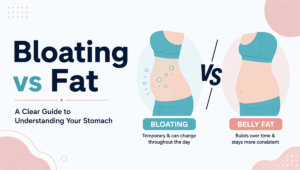
Does nicotine make you gain belly fat specifically? Research suggests nicotine might actually influence where fat gets stored, with some evidence pointing to increased visceral (belly) fat storage in nicotine users.
Why this might happen:
- Nicotine increases cortisol (stress hormone)
- Elevated cortisol promotes abdominal fat storage
- Metabolic changes affect insulin sensitivity
- Reduced physical activity (vaping reduces energy)
The irony? People often use nicotine to stay thin, but it might be making them carry more fat in the unhealthiest location—around their organs.
The Behavioral Weight Gain Factor
Here’s what nobody talks about: vaping itself doesn’t make you gain weight, but what you do because you vape might.
Common behavioral triggers:
- Vaping replaces physical activity breaks
- Sweet-flavored vapes increase sugar cravings
- Vaping while eating reduces meal satisfaction
- Using vaping to cope with stress instead of exercise
- Reduced physical activity overall
I’ve watched friends replace their gym routine’s stress relief with chain-vaping. They’re not gaining weight from the vape—they’re gaining it from sitting on the couch vaping instead of moving their bodies.
Comparing Lifestyle Factors: What Really Impacts Weight
Since we’re discussing lifestyle choices and weight, it’s worth noting that best alcohol for weight loss and healthy alcoholic drinks generate similar confusion. Just like vaping, alcohol doesn’t operate in a vacuum.
Calorie comparison:
- Vaping: 0 calories (but metabolic effects)
- Light beer: 100 calories per drink
- Wine: 120-130 calories per glass
- Spirits (straight): 70-100 calories
Both vaping and drinking affect judgment, leading to poor food choices—often more impactful than their direct caloric content.

The Truth About Vaping and Weight Management
Does vaping make you gain weight? Not directly, but the metabolic, behavioral, and appetite changes it creates often lead to weight gain, especially when:
✅ You vape instead of being active ✅ Sweet flavors trigger sugar cravings
✅ You use it to suppress natural hunger long-term ✅ It replaces healthier stress-management habits ✅ You increase nicotine intake compared to smoking
The healthiest approach? If you’re vaping to avoid cigarettes, that’s still the lesser evil health-wise. But don’t expect it to keep you thin—nicotine’s metabolic effects are modest at best and come with significant health trade-offs.
The Bottom Line on Vaping and Weight
Does vaping make you gain weight? It can, through indirect mechanisms like reduced activity, increased cravings, and metabolic adaptation. But blaming your weight gain on vaping alone misses the bigger picture.
Your weight is determined by calories in versus calories out, influenced by sleep, stress, activity level, and food choices. Vaping might nudge some of these factors in unfavorable directions, but it’s not the primary driver.
If you’re concerned about weight, focus on the fundamentals: whole foods, regular movement, quality sleep, stress management. Those factors matter infinitely more than whether you vape or not.
Considering quitting vaping and worried about weight? Plan ahead with increased activity, prepare healthy snacks for cravings, and give your body 3-6 months to adjust. The initial weight gain is temporary if you maintain healthy habits.
Disclaimer: This article discusses vaping and weight, not whether vaping is healthy (it’s not). For smoking cessation support or vaping-related health concerns, consult healthcare providers.