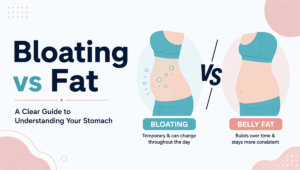

If you’ve ever stood on a scale watching the numbers jump around, wondered why your pants fit differently despite no weight change, or Googled “why am I not losing weight,” you’re asking the same common weight loss questions millions of people search for daily.
The frustrating part? Most answers online are either overly technical, contradictory, or suspiciously trying to sell you something. Let’s cut through the noise with honest, practical answers to the questions you’re actually asking.
Body Weight Fluctuations: Why the Scale Lies
Body weight fluctuations confuse more people than almost any other aspect of weight loss. You can “gain” 3 pounds overnight or “lose” 5 pounds in a weekend—neither of which represents actual fat change.
What causes daily weight fluctuations:
- Water retention from sodium intake (2-4 pound swings)
- Carbohydrate storage (each gram holds 3-4g water)
- Digestive contents (food moves slowly)
- Hormonal cycles (especially for women)
- Inflammation from intense exercise
- Hydration status
According to Office of Disease Prevention and Health Promotion guidelines, focusing on weekly averages rather than daily measurements provides more accurate progress tracking. Tools like a free BMI calculator can help you track overall trends rather than obsessing over daily numbers.
The reality? Your weight isn’t a single number—it’s a 3-5 pound range that shifts constantly based on factors having nothing to do with fat loss.
Appearance and Body Image: When Results Don’t Match Expectations
Appearance and body image questions dominate weight loss forums because changes in how you look don’t always correlate with scale movement.
Common appearance questions answered:
| Question | Reality |
|---|---|
| When will I notice weight loss? | After 5-10 pounds or 4-6 weeks |
| When will others notice? | Around 10-15 pounds or 8-10 weeks |
| Why do my clothes fit better but scale hasn't moved? | Body composition change (fat loss, muscle gain) |
| Will I have loose skin? | Depends on amount lost, age, genetics, speed |
The disconnect between scale weight and appearance happens because muscle weighs more per volume than fat. You can lose inches while gaining pounds if you’re building muscle—and that’s actually ideal for long-term health. Understanding your 3 month weight loss trajectory and being patient with body composition changes matters more than daily weigh-ins.
Lifestyle Factors for Weight Loss: What Actually Matters
Lifestyle factors for weight loss extend far beyond just “eat less, move more.” Sleep, stress, relationships, work schedule—all dramatically impact results.
The lifestyle hierarchy:
- Sleep quality (7-9 hours non-negotiable)
- Stress management (cortisol sabotages everything)
- Consistent meal timing (regulates hormones)
- Social support (accountability matters)
- Environmental setup (make healthy choices easy)
Research compiled by WebMD’s weight loss experts consistently shows that people addressing lifestyle factors alongside diet and exercise maintain weight loss at much higher rates than those focusing solely on calories.
The hardest truth? You can have a perfect diet and exercise plan, but chronic sleep deprivation or unmanaged stress will prevent results. Biology doesn’t care about your willpower.
Natural and Organic Weight Loss Approaches
Many people ask about organic weight loss methods and natural weight loss drinks as alternatives to medications or extreme diets. Homemade weight loss drinks like green tea with lemon, apple cider vinegar mixtures, and metabolic-boosting beverages can support your efforts, though they’re not magic solutions.
Popular natural approaches include:
- Homemade fat burner drinks (metabolism boosters)
- Weight loss drink ingredients like ginger, cayenne, green tea
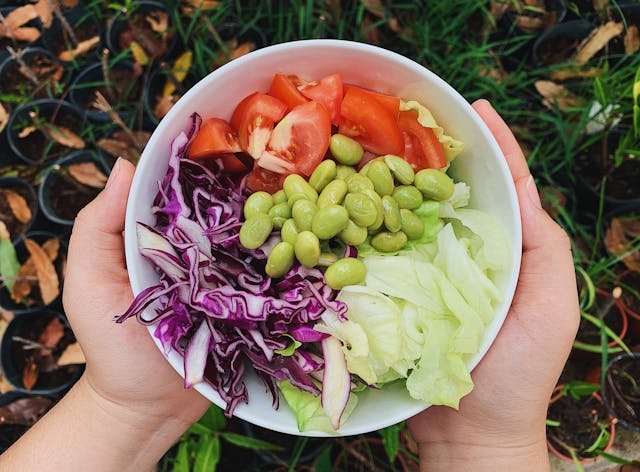
- Clean eating focused on whole foods
- Movement-based approaches without restrictive dieting
These methods work best when combined with proper calorie management and sustainable lifestyle changes rather than as standalone solutions.
Calorie and Diet Questions: Understanding Macros and Nutrition
Calorie and diet questions for weight loss generate endless confusion because individual needs vary so dramatically based on age, gender, activity level, and metabolic health.
Understanding macro splits for weight loss: Many people follow specific macronutrient ratios like the 50/30/20 macros (50% carbs, 30% protein, 20% fats) or the 50/30/20 macro split as a sustainable framework. Others prefer the 40/30/30 macro approach for more protein. Determining the best weight loss macros depends on your individual metabolism, activity level, and dietary preferences.
Most asked calorie questions:
- “How many calories should I eat?” – Generally 300-500 below your maintenance
- “Can I eat whatever fits my calories?” – Technically yes for weight, no for health
- “Do I have to count calories forever?” – Initially yes, eventually intuitive eating works
- “Why did I stop losing on the same calories?” – Metabolic adaptation as you get lighter
The calorie reality nobody wants to hear: As you lose weight, you need fewer calories to maintain your new size. What worked for the first 20 pounds won’t work for the last 10. Your calorie target must adjust downward as you get lighter, or progress stalls.
Trending Weight Loss Methods and Approaches
What is Maya’s method? This question appears frequently as people search for alternative approaches. Maya’s method weight loss focuses on mindful eating, intuitive movement, and addressing emotional relationships with food rather than strict calorie counting. The Maya method emphasizes listening to your body’s signals and building sustainable habits.
Fat loss over 3 months requires consistency more than perfection. Whether you follow structured approaches or more intuitive methods like Maya’s method diet, the key is finding what you can maintain long-term.
Medical Weight Loss Options: Telehealth and Medications
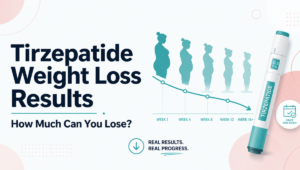
Modern telehealth weight loss medication access has transformed how people approach medical interventions. GLP-1 telehealth services and online GLP-1 consultation options make prescription medications more accessible than ever.
Common medication questions:
- Semaglutide brands (Ozempic, Wegovy)
- Mounjaro vs semaglutide effectiveness
- Wegovy and Mounjaro comparison
- Compounded semaglutide vs brand names
- Semaglutide expiration date and storage
Telehealth semaglutide prescriptions require medical evaluation but offer convenience and often better pricing than traditional clinics. Compounded semaglutide telehealth providers have made these medications accessible to people without insurance coverage.
Understanding whether Mounjaro or semaglutide is right for you, or comparing ozempic wegovy mounjaro options requires medical guidance, but knowing the questions to ask empowers better conversations with providers.
The Most Asked Weight Loss Question: “Why Isn’t It Working?”
When nothing seems to work despite “doing everything right,” the answer usually falls into one of these categories:
Hidden saboteurs:
- Underestimating food intake (extremely common)
- Overestimating calorie burn from exercise (like assuming you burned 400 calories when it was actually 250)
- Insufficient protein causing muscle loss
- Hormonal issues (thyroid, insulin resistance)
- Medication side effects
- Inadequate sleep destroying hormones
- Stress-induced cortisol promoting fat storage
The solution? Track everything meticulously for two weeks—every bite, every workout, every hour of sleep. Patterns emerge that explain the mystery.
Timeline Questions: Setting Realistic Expectations
People constantly ask variations of “how long will this take?” The honest answer depends on your starting point and target.
Realistic timelines:
- 10 pounds: 5-10 weeks
- 25 pounds: 3-6 months (3 month weight loss of 12-24 pounds is realistic)
- 50 pounds: 6-12 months
- 100 pounds: 12-24 months
Notice the ranges? Individual biology, adherence consistency, and metabolic factors create huge variability. Someone losing 2 pounds weekly completes the journey twice as fast as someone losing 1 pound weekly—both are healthy rates.
What to Actually Ask Your Doctor
Common weight loss questions worth discussing with healthcare providers include:
- Should medications I’m taking affect weight loss?
- Do I have underlying metabolic issues?
- Is my thyroid function normal?
- Would medical weight loss interventions be appropriate?
- Are my expectations realistic given my health history?
- Should I consider telehealth weight loss medication options?
Medical supervision becomes essential for anyone with health conditions, taking medications, or planning to lose more than 50 pounds. Modern GLP-1 telemedicine and telehealth glp-1 services make professional guidance more accessible than ever.
The Bottom Line on Weight Loss Questions
The most common weight loss questions all stem from the same root frustration: why is this so much harder than it seems like it should be?
Because weight loss isn’t just math. It’s biology, psychology, sociology, and plain old physics all intersecting in ways that make each person’s experience unique. The scale lies, progress isn’t linear, and what works for your friend might not work for you.
The successful approach? Focus on consistent habits rather than perfect outcomes, track trends rather than daily measurements, and give your body the time it needs to change permanently rather than temporarily. Whether you’re following 50/30/20 macros, exploring Maya’s weight loss method, or working with semaglutide telehealth providers, consistency trumps perfection.
Ready to stop wondering and start understanding your weight loss journey? Focus on one unanswered question from this guide, research it thoroughly, and apply that knowledge for the next 30 days. Understanding replaces confusion, and action replaces wondering.
Remember: Individual weight loss experiences vary significantly. This information provides general guidance—consult healthcare providers for personalized medical advice specific to your health situation and goals.