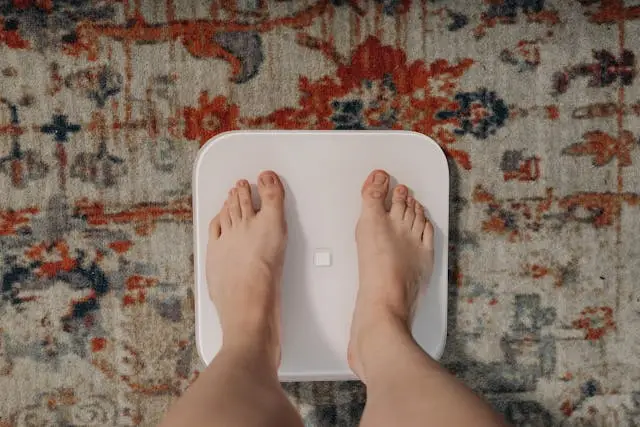
You step on the scale, see a number that makes your stomach drop, then look in the mirror and think “wait, I don’t look like I weigh that much.” If this sounds familiar, you’re experiencing one of the most confusing aspects of weight management—and it’s actually a good sign.
Why do I weigh more than I look? The short answer: muscle weighs more than fat per volume, body composition matters more than total weight, and the scale measures everything—including water, food, and even the coffee you drank an hour ago.
The Muscle vs. Fat Reality
The biggest reason you might weigh more than you look comes down to simple physics. Muscle tissue is denser than fat tissue—about 18% denser, to be precise. According to CNET’s analysis of why weight looks different on everyone, two people weighing exactly the same can look completely different based on their muscle-to-fat ratio.
Here’s what this means in practice:
- 5 pounds of muscle takes up less space than 5 pounds of fat
- Someone with more muscle looks leaner at the same weight
- You can lose inches while the scale barely moves
- Body composition trumps total weight for appearance
This explains why someone who strength trains regularly might weigh 150 pounds but look like they weigh 135, while someone who doesn’t exercise could weigh 135 but look heavier.
Daily Weight Fluctuations: The Scale’s Lies
Why do I weigh more in the morning than other times? Actually, it’s usually the opposite—most people weigh less in the morning. But daily fluctuations of 2-5 pounds are completely normal and have nothing to do with actual fat gain.
What causes weight fluctuations:
| Factor | Weight Impact | Duration |
|---|---|---|
| Water retention | 2-4 pounds | 1-3 days |
| Sodium intake | 2-5 pounds | 12-48 hours |
| Carbohydrate storage | 1-3 pounds | 24-72 hours |
| Digestive contents | 1-2 pounds | 12-24 hours |
| Menstrual cycle | 2-5 pounds | 5-7 days |
Do You Weigh More on Your Period?
Do you weigh more on your period? Yes, and it’s one of the most frustrating weight fluctuations women experience. Hormonal changes cause water retention that can add 2-5 pounds in the week before and during menstruation.
Why this happens:
- Progesterone increases water retention
- Estrogen fluctuations affect fluid balance
- Increased inflammation in the body
- Digestive system slows down slightly
The good news? This weight disappears naturally once your cycle completes. It’s not fat gain—just temporary water weight that has zero impact on your actual body composition.
Is It Possible to Gain 4 Pounds in a Day?
Is it possible to gain 4 pounds in a day? On the scale, absolutely. In actual body fat? No way. According to HuffPost’s analysis of scale weight gains, rapid weight increases come from:
Water and glycogen storage:
- Large meal = digestive contents weighing 1-2 pounds
- High-sodium foods = 2-4 pounds water retention
- Carb-heavy day = glycogen + water storage
- Intense workout = inflammation and fluid retention
The math that proves it’s not fat:
- 1 pound of fat = 3,500 calories
- 4 pounds = 14,000 excess calories
- That’s physically impossible to eat in one day

So that “4-pound gain” after a weekend? It’s mostly water and food weight that disappears within 3-5 days of normal eating.
Body Composition vs. Scale Weight
Understanding why you weigh more than you look requires shifting focus from the scale to body composition. Two critical factors determine how you look at any given weight:
1. Muscle mass percentage More muscle = smaller, denser, leaner appearance at higher weight
2. Fat distribution patterns Where you store fat matters as much as how much fat you have
The reality nobody talks about: Someone at 140 pounds with 25% body fat looks dramatically different than someone at 140 pounds with 18% body fat—even though the scale shows identical numbers.
For comprehensive understanding of realistic weight changes and expectations, exploring common weight loss questions helps clarify what’s normal versus concerning when it comes to scale fluctuations and body composition.
When to Ignore the Scale
Times the scale lies to you:
- After strength training (inflammation + water)
- Following a high-sodium meal
- During or before menstruation
- After flying (dehydration then rehydration)
- Following intense cardio
- When constipated
- After eating more carbs than usual
Better measurements to track:
- How clothes fit (most reliable)
- Progress photos (bi-weekly)
- Body measurements (monthly)
- Strength improvements
- Energy levels
- Overall well-being
The scale measures your relationship with gravity, not your health, fitness, or appearance. It’s one data point among many—and often the least important one.
Why This Is Actually Good News
If you weigh more than you look, that’s typically positive. It usually means:
✅ You have good muscle mass ✅ Your body composition is favorable
✅ You’re stronger than you appear ✅ Your metabolism is likely healthy
Compare this to weighing less than you look, which often indicates low muscle mass and higher body fat percentage—a less healthy scenario even if the scale number seems “better.”
The Bottom Line
Why do you weigh more than you look? Because the scale doesn’t distinguish between muscle, fat, water, food, or bone density. It’s a crude measuring tool that creates anxiety around a number that doesn’t actually reflect your health, appearance, or progress.
Focus on how you feel, how your clothes fit, and what you can do physically. Those metrics tell you infinitely more about your actual health than any number on a scale ever could.
Ready to stop obsessing over scale weight? Check your BMI first, Put the scale away for two weeks and track only how your clothes fit and your energy levels. You’ll quickly realize the number was never the point—and you look better than you weigh anyway.
Remember: Scale weight is just one metric among many. If you’re concerned about body composition or unexplained weight changes, consult with healthcare providers for personalized guidance.