
Your face is always on display—in photos, video calls, mirrors you pass throughout the day. So when you notice extra fullness in your cheeks or under your chin, the immediate question becomes: how long does it take to lose face fat?
Here’s the truth upfront: facial fat follows the same rules as body fat. You can’t spot-reduce it, you can’t rush it beyond what’s healthy, and for most people, noticeable changes take 3-8 weeks of consistent effort. But the face often shows results before anywhere else, which is actually good news.
Why Does My Face Look Fat? Understanding Facial Fullness
Why does my face look fat when the rest of you doesn’t feel particularly overweight? Several factors beyond actual fat contribute to facial fullness:
Common causes:
- Water retention (sodium, hormones, dehydration)
- Genetics and bone structure
- Actual excess body fat
- Aging and collagen loss
- Poor sleep and inflammation
- Alcohol consumption
According to Healthline’s guide on losing face fat, facial fat distribution is largely genetic, but overall weight loss always reflects in the face eventually—often sooner than other areas.
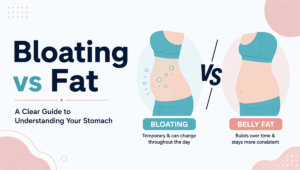
The frustrating part? You might not be carrying excess fat at all. Sometimes facial fullness comes down to water weight that disappears within 48 hours of reducing sodium intake.
How to Lose Fat in Your Face: The Only Method That Works
How to lose fat in your face requires accepting an inconvenient truth: you can’t target facial fat specifically. Your body decides where fat comes off, and you can’t negotiate with biology.
What actually works:
- Creating an overall calorie deficit
- Consistent cardiovascular exercise
- Strength training (builds muscle, boosts metabolism)
- Adequate hydration (reduces water retention)
- Lower sodium intake
- Quality sleep (7-9 hours)
What doesn’t work:
- Facial exercises alone (minimal impact)
- Spot reduction attempts
- Crash dieting (often increases facial bloating)
- Surgical procedures without weight management
The strategy is straightforward but requires patience. Create a moderate calorie deficit—1400 calories works for many women, 1600 calories for others depending on activity level—and maintain consistency.
The Timeline: When Will You See Results?
How long does it take to lose face fat depends on your starting point and how aggressively you approach weight loss.
| Starting Body Fat % | Weight to Lose | Facial Changes Visible |
|---|---|---|
| High (30%+) | 10-15 lbs | 2-3 weeks |
| Moderate (20-30%) | 8-10 lbs | 3-5 weeks |
| Low (15-20%) | 5-8 lbs | 4-8 weeks |
Week-by-week breakdown:
- Week 1-2: Reduced bloating, slight definition returning
- Week 3-4: Noticeable to you, subtle to others
- Week 5-6: Friends start commenting
- Week 7-8: Significant visible difference in photos
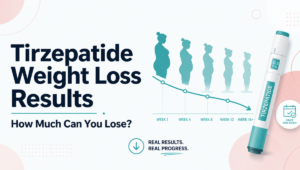
The face typically responds faster than other areas because it has fewer fat cells relative to surface area. Losing 5-7 pounds of overall body weight usually shows noticeably in facial structure.
Will Losing 10 Pounds Make My Face Thinner?
Absolutely. For most people, losing 10 pounds creates visible facial changes. According to Healthline’s double chin research, even modest weight loss of 5-10 pounds can reduce submental fat (under the chin) and improve jawline definition.
What 10 pounds of weight loss typically brings:
- More defined cheekbones
- Reduced under-chin fullness
- Clearer jawline
- Less puffy appearance overall
- More visible facial features
The psychological impact? Huge. Your face is what you and others see first, so facial changes often feel more dramatic than the same weight loss reflected in body measurements.

What Weight Is Considered Skinny? Setting Realistic Expectations
What is considered skinny varies dramatically by height, build, and body composition, but general guidelines exist. For context, a 24 inch waist typically indicates very low body fat—often too low for optimal health unless you’re extremely petite.
Healthy weight ranges matter more than “skinny”:
- BMI 18.5-24.9 = healthy range
- Body fat 18-25% (women), 10-20% (men) = healthy
- Feeling energetic and strong = most important
Chasing “skinny” often backfires for facial appearance. Too little body fat makes faces look gaunt, aged, and hollow—not the youthful, healthy look most people actually want.
Is 1400 or 1600 Calories Good for Weight Loss?
Is 1400 calories good for weight loss? For many women, yes—it creates a moderate deficit without being restrictively low. Is 1600 calories enough to lose weight? Also yes for most people, particularly those who exercise regularly.
Calorie considerations for facial fat loss:
- Moderate deficits (300-500 calories) preserve muscle
- Muscle preservation keeps metabolism strong
- Strong metabolism = continued fat loss
- Protein-rich diets (0.8-1g per pound) support lean mass
Crash dieting with severe restriction often increases facial bloating paradoxically. Your body responds to extreme calorie deficits by retaining water and slowing metabolism—neither helps facial definition.
For comprehensive guidance on setting realistic calorie targets and timelines, understanding common weight loss questions helps clarify expectations for both overall and facial fat loss.
How Do I Know If I’m Losing Face Fat?
Signs you’re losing face fat:
- Cheekbones becoming more visible
- Jawline appearing more defined
- Under-chin area firmer
- Facial features looking more prominent
- Face appearing longer/less round
- Photos showing noticeable differences
Track progress properly:
- Weekly face photos (same angle, lighting)
- How glasses or hats fit
- Collar size if tracking overall
- Facial measurements if desired
The mirror lies—you see yourself daily, making gradual changes invisible. Photos taken weekly reveal progress your eyes miss.
The Patience Reality
How long does it take to lose face fat realistically? For most people starting a healthy weight loss program, expect 4-8 weeks for noticeable facial changes, 12 weeks for dramatic transformation.
The face typically responds faster than stubborn areas like belly or thighs, which provides early motivation. But sustainable facial fat loss requires the same fundamentals as losing fat anywhere: consistent calorie deficit, adequate protein, regular exercise, quality sleep.
There’s no shortcut, but the good news? Your face often shows results before anywhere else, providing visible feedback that your efforts are working.
Ready to see facial definition improve? Start with a 300-500 calorie daily deficit, take weekly progress photos in consistent lighting, and give your body 6-8 weeks to show results. The patience pays off—literally on your face.
Remember: Individual results vary based on genetics, starting point, and consistency. If concerned about facial swelling or sudden changes, consult healthcare providers to rule out medical issues.